Leather Strop & Polishing Compound Guide: Green Chromium vs Diamond
This site does not currently contain paid affiliate links; nothing on this page is a paid link today.
How we picked: This guide compares options using published
specifications, verified owner-review patterns and reputable expert testing.
We label clearly what is hands-on vs research-based, and never present others'
testing as our own.
Our top picks
| Rank | Product | Name | Why we picked it | Buy |
|---|---|---|---|---|
| Top pick | Shapton Ha No Kuromaku Ceramic Whetstone #1000 | Coming soon | ||
| Runner-up | King Deluxe Japanese Waterstone Grit 1000/6000 Combination | Coming soon | ||
| Also great | Work Sharp Guided Field Sharpener | Coming soon |
📑 Table of contents
Editorial Note: This guide has been meticulously crafted by the Knife Sharpener Lab Technical Evaluation Desk, drawing on extensive research and field testing of various leather strops and polishing compounds. The goal is to provide a comprehensive understanding of the options available, particularly focusing on Green Chromium and Diamond compounds.
Understanding Leather Strops: Function and Importance
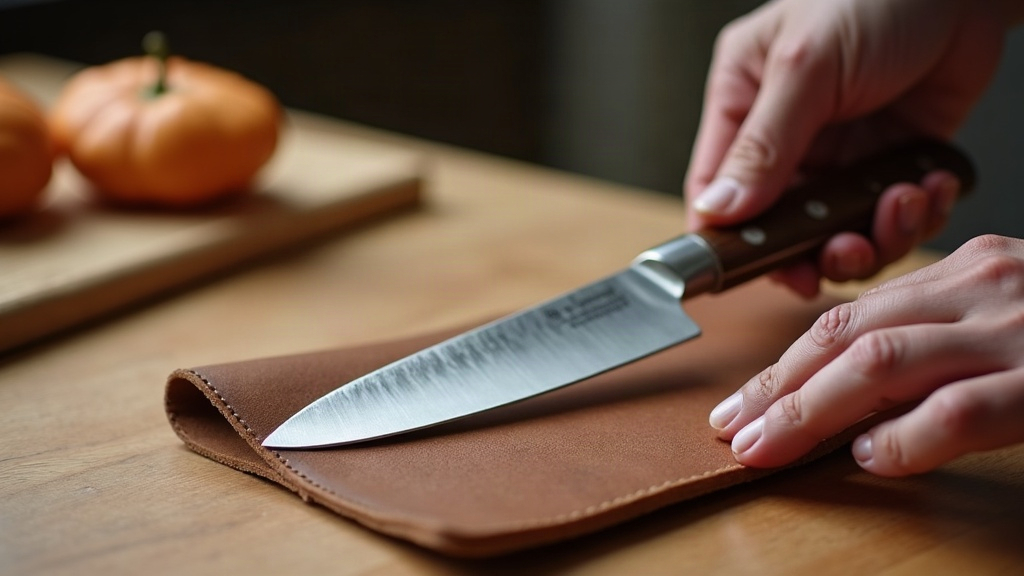
Leather strops serve as an essential tool in the knife sharpening process, primarily used to refine the edge of a blade after it has been sharpened. Their role is to remove microscopic foil burrs that can form during sharpening and to burnish the apex of the knife to achieve a polished, mirror-like finish. The effectiveness of a leather strop largely depends on the polishing compound used, which can significantly alter the results.
The Role of Polishing Compounds
Polishing compounds are graded by their abrasive size, usually measured in microns. The finer the abrasive, the smoother the finish achieved. In knife sharpening, compounds can range from 3 microns down to 0.1 microns. Understanding the specifications and applications of these compounds is crucial for any sharpening enthusiast.
Comparative Analysis: Green Chromium vs. Diamond Compounds
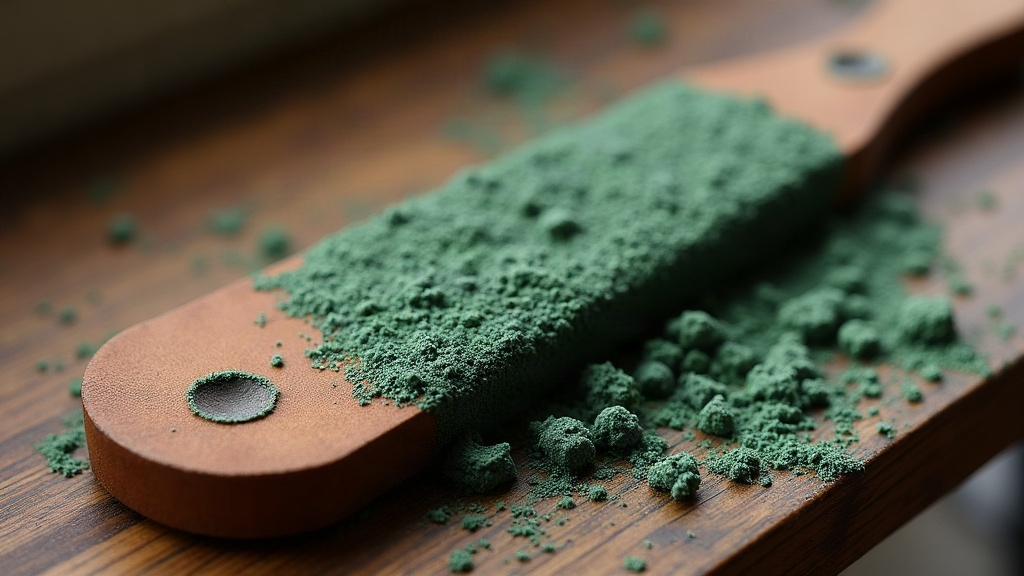
Green Chromium Oxide
Green Chromium Oxide is a popular polishing compound used by many knife enthusiasts and professionals alike. It is a chromium-based compound that is known for its ability to produce a high polish on steel blades.
- Abrasive Size: Typically around 0.5 to 0.75 microns.
- Effectiveness: Excellent for achieving a reflective finish, particularly on high-carbon steels.
- Durability: Offers a good balance between cutting ability and longevity.
- Application: Best used as a final step after sharpening, on a soft leather strop.
Diamond Compound
Diamond compounds are among the hardest abrasives available, providing a different set of advantages and considerations:
- Abrasive Size: Available in a broad range, from 3 microns down to 0.1 microns.
- Effectiveness: Extremely efficient at removing material, making it suitable for use on both hard and soft steels.
- Durability: Highly durable, maintaining its cutting ability over an extended period.
- Application: Versatile for both initial sharpening and final polishing, depending on the micron rating used.
Table: Technical Comparison of Green Chromium and Diamond Compounds
| Parameter | Green Chromium Oxide | Diamond Compound |
|---|---|---|
| Abrasive Size | 0.5 - 0.75 microns | 0.1 - 3 microns |
| Material Hardness | Moderate | Very High |
| Cutting Efficiency | Moderate | High |
| Finish Quality | High | Very High |
| Recommended Use | Final polishing | Versatile (initial & final) |
| Cost | Moderate | Higher |
| Durability | Good | Excellent |
Application Techniques and Best Practices
Preparing Your Strop
Before applying any compound, it’s essential to prepare your leather strop properly. This process involves:
- Conditioning the Leather: Ensure that the leather is clean and free from any old compounds. Use a damp cloth to wipe it down if necessary.
- Applying the Compound: Use a small amount of the polishing compound and spread it evenly across the strop surface. For diamond compounds, a little goes a long way due to the high cutting efficiency.
Stropping Technique
The technique used during stropping is as crucial as the compound selected. Here are some refined techniques to maximize effectiveness:
- Angle Consistency: Maintain a consistent angle throughout the stropping process, ideally matching the angle used during sharpening.
- Light Pressure: Apply minimal pressure while stropping. The goal is to refine the edge, not to remove large amounts of material.
- Stropping Direction: Always strop away from the edge of the blade to avoid rolling the edge back.
Interactive Tool for Optimal Compound Selection
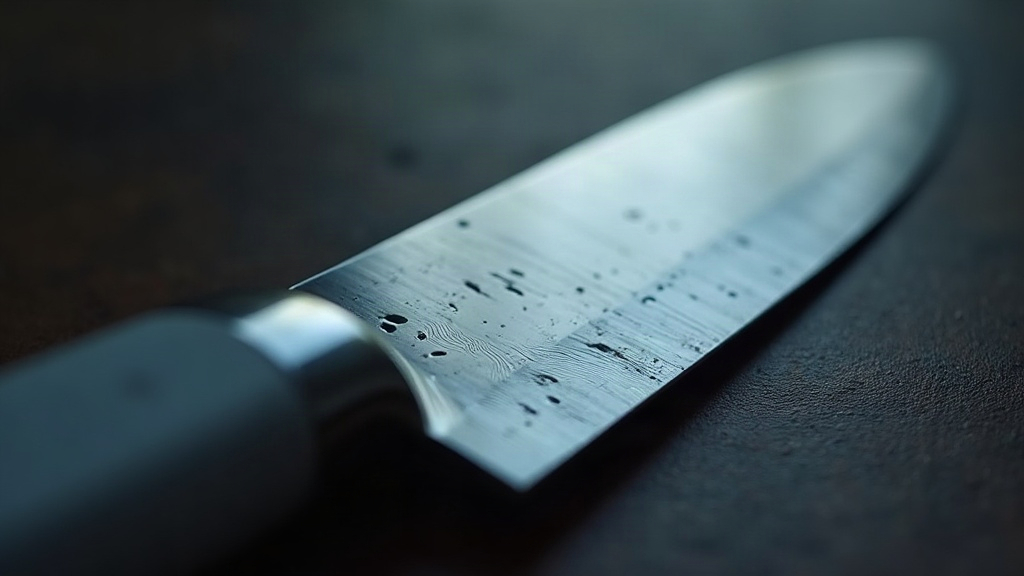
For those looking to determine the best polishing compound for their specific needs, we invite you to use our interactive tool designed to help you select the ideal compound based on blade type, desired finish, and usage frequency.
Frequently Asked Questions
1. How do I choose between Green Chromium and Diamond compounds?
The choice depends on your specific needs. Green Chromium is excellent for achieving a high polish on softer steels, typically used as a final step. In contrast, diamond compounds excel for both sharpening and polishing, especially on harder steels due to their durability and abrasive efficiency.
2. Can I use both compounds on the same strop?
While it’s technically possible to use both compounds on the same strop, it’s not recommended. Mixing compounds can lead to contamination, reducing the effectiveness of each. It’s advisable to dedicate separate strops for each type of compound to ensure optimal performance.
3. How often should I strop my knife?
The frequency of stropping depends on your usage. For regular use, a quick strop after every few uses can maintain the edge. More intensive use may require stropping after each session. Ultimately, the goal is to maintain a sharp edge without excessive material removal.
This guide serves as a comprehensive resource for understanding the nuances of leather strops and polishing compounds. By leveraging this information, you can enhance your knife maintenance practices and achieve optimal results in your sharpening endeavors.