How Often Should You Sharpen Kitchen Knives? Maintenance Schedule
This site does not currently contain paid affiliate links; nothing on this page is a paid link today.
How we picked: This guide compares options using published
specifications, verified owner-review patterns and reputable expert testing.
We label clearly what is hands-on vs research-based, and never present others'
testing as our own.
Our top picks
| Rank | Product | Name | Why we picked it | Buy |
|---|---|---|---|---|
| Top pick | Work Sharp Guided Field Sharpener | Coming soon | ||
| Runner-up | Shapton Ha No Kuromaku Ceramic Whetstone #1000 | Coming soon | ||
| Also great | King Deluxe Japanese Waterstone Grit 1000/6000 Combination | Coming soon |
Editorial Note: This guide is informed by insights from the Knife Sharpener Lab Technical Evaluation Desk, which conducts rigorous testing and analysis of knife sharpening techniques and equipment.
How Often Should You Sharpen Kitchen Knives? Maintenance Schedule
Maintaining the sharpness of kitchen knives is essential for both safety and efficiency in the kitchen. Understanding the signs of dullness and the appropriate sharpening schedule can significantly affect your culinary experience. In this guide, we will explore the factors that influence the frequency of knife sharpening, methods for testing sharpness, and a comprehensive maintenance schedule.
Understanding Knife Dulling: Signs and Symptoms
Knives experience dulling due to a combination of mechanical wear and usage techniques. The primary factors leading to dulling include:
- Material Hardness: Knives made from softer steels (e.g., stainless steel) tend to dull more quickly than those made from harder materials (e.g., high-carbon steel).
- Blade Geometry: The edge angle and grind of the blade determine how well it retains sharpness. For example, a 15-degree edge retains sharpness longer than a 20-degree edge.
- Cutting Surface: Cutting on harder surfaces, like glass or ceramic, can lead to rapid dulling compared to softer materials like wood or plastic.
Microscopic Dulling
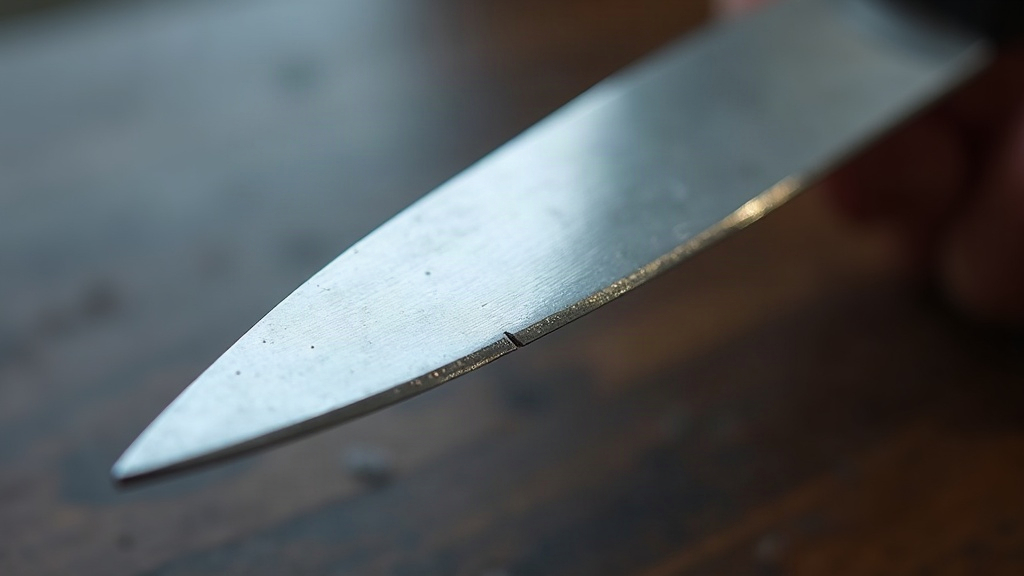
Even before a knife feels dull, microscopic changes occur at the edge. As the blade is used, the edge can develop bends and fractures that are not visible to the naked eye. Regularly checking for these signs can help maintain optimal performance.
Testing Knife Sharpness
Understanding when to sharpen your knives can be achieved through various testing methods. Here are two effective tests:
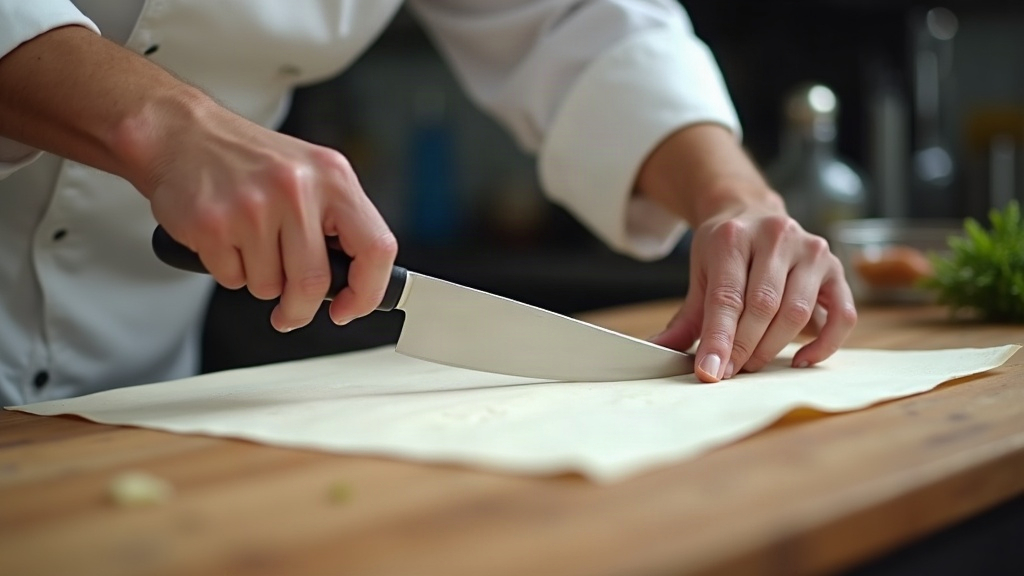
The Paper-Slice Test
This test measures the knife’s ability to cut through paper cleanly. To perform the test:
- Hold a sheet of standard printer paper vertically.
- Slice downwards with the knife.
- A sharp knife should cut through effortlessly, while a dull knife will struggle or tear the paper.
Tomato Skin Bite Test
Tomatoes are particularly challenging for dull knives. To perform this test:
- Hold a tomato firmly on a cutting board.
- Attempt to slice through the skin without applying excessive pressure.
- A sharp knife should penetrate the skin with minimal force, while a dull knife will require more pressure, often resulting in squishing the tomato.
Maintenance Schedule: Honing vs. Sharpening
Understanding the difference between honing and sharpening is crucial for maintaining your knives effectively.
| Maintenance Type | Description | Frequency | Recommended Tools |
|---|---|---|---|
| Honing | Realigns the edge without removing material. | Weekly | Honing rod or ceramic stick |
| Sharpening | Removes material to restore the edge. | Every 1-3 months, depending on usage | Whetstone, electric sharpener, or professional service |
Honing: Weekly Maintenance
Honing is an essential part of knife care, which should occur weekly. A honing rod can help realign the edge of the blade after regular use, making it feel sharper without removing significant material.
Recommendation: Use a honing rod made of ceramic or diamond for optimal results. Hold the rod vertically and use the same angle as the blade edge to hone.
Sharpening: Quarterly Maintenance
Sharpening should be performed based on usage. For home cooks using their knives several times a week, quarterly sharpening is advisable. Professional chefs may require sharpening monthly due to higher usage.
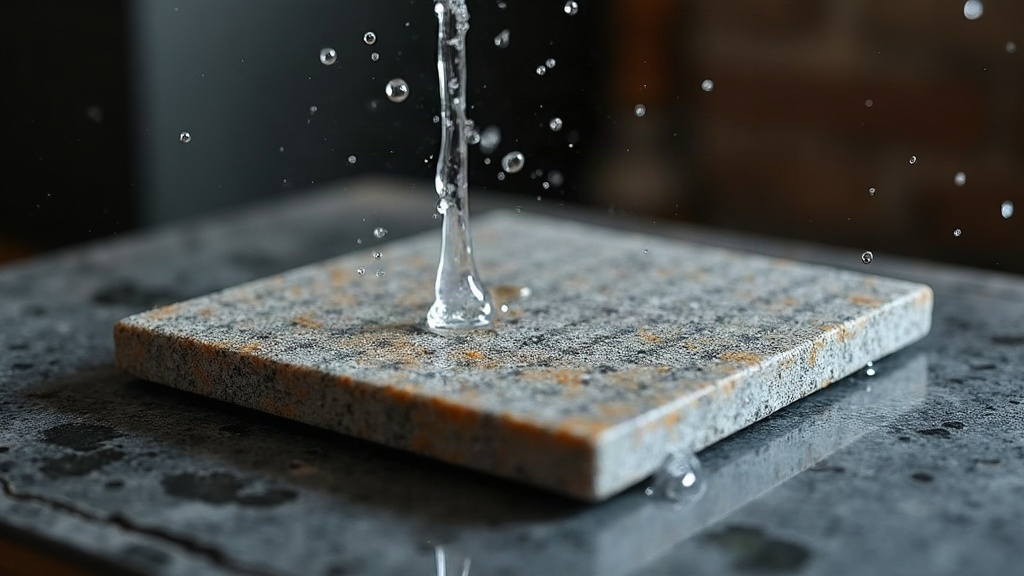
Recommendation: Use a whetstone with a grit of 1000-3000 for regular sharpening. For high-performance knives, consider a 4000-8000 grit stone for a finer edge.
Interactive Tool: Sharpening Frequency Calculator
To help determine your knife sharpening needs based on usage, visit our Sharpening Frequency Calculator. This tool takes into account factors such as knife material, usage frequency, and cutting techniques to provide personalized recommendations.
Conclusion
By understanding the signs of dullness and implementing a regular maintenance schedule for your kitchen knives, you can ensure they remain in peak condition. Regular honing paired with strategic sharpening will not only prolong the life of your knives but also enhance your overall cooking experience.
Frequently Asked Questions
1. How can I tell if my knife needs sharpening?
In addition to the paper-slice and tomato skin bite tests, you can check for drag while slicing soft foods. If the knife feels like it’s catching or dragging, it’s time to sharpen. Also, regularly inspect the edge for visible chips or bends.
2. Can I use a regular kitchen steel for sharpening?
A kitchen steel, or honing rod, is primarily designed for honing rather than sharpening. While it can help maintain the edge, it won’t effectively remove material to sharpen a dull knife. For sharpening, use a whetstone or professional sharpening service.
3. What knife materials require different maintenance?
Knives made from high-carbon stainless steel require regular honing and less frequent sharpening due to their durability. In contrast, softer stainless steel knives may need sharpening more often. Always refer to the manufacturer’s guidelines for specific care instructions based on blade material.