How to Flatten a Whetstone: Lapping Plates & Sandpaper
This site does not currently contain paid affiliate links; nothing on this page is a paid link today.
How we picked: This guide compares options using published
specifications, verified owner-review patterns and reputable expert testing.
We label clearly what is hands-on vs research-based, and never present others'
testing as our own.
Our top picks
| Rank | Product | Name | Why we picked it | Buy |
|---|---|---|---|---|
| Top pick | King Deluxe Japanese Waterstone Grit 1000/6000 Combination | Coming soon | ||
| Runner-up | Shapton Ha No Kuromaku Ceramic Whetstone #1000 | Coming soon | ||
| Also great | Work Sharp Guided Field Sharpener | Coming soon |
📑 Table of contents
Introduction to Whetstone Flattening
Whetstones, or waterstones, are critical tools for sharpening knives, yet they can become dished or hollowed with regular use. Maintaining a true flat surface is essential for achieving consistent bevel angles on your blades. This guide will explore the techniques for flattening a whetstone using lapping plates and sandpaper, ensuring your sharpening tools remain effective.
Understanding Dishing and Hollows in Whetstones
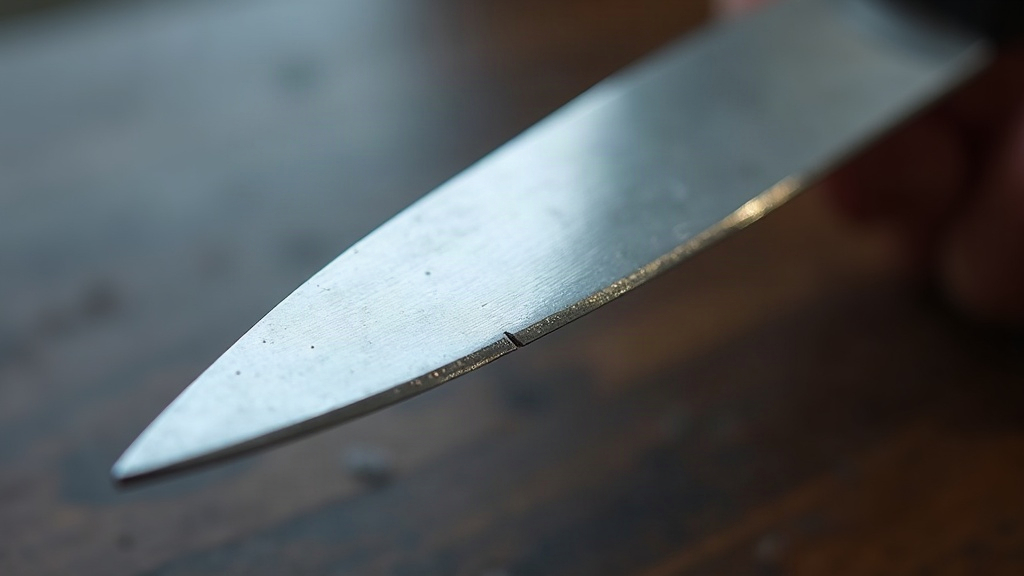
Dishing occurs when the center of the whetstone wears down faster than the edges, leading to a concave surface. This can result from uneven pressure during sharpening or the inherent characteristics of the stone material. Hollows may also form due to the natural inconsistencies in the stone’s composition or wear patterns.
Importance of a Flat Surface
A perfectly flat whetstone ensures that the blade’s edge is sharpened evenly, contributing to better cutting performance. Uneven sharpening can lead to poor edge retention and potentially damage the blade. The goal is to maintain a uniform surface with a 180-degree flat plane to ensure surgical bevel consistency.
Techniques for Flattening a Whetstone
1. Using Lapping Plates
Lapping plates are specialized tools designed for flattening whetstones. They typically consist of a flat, hard surface made of diamond or abrasive materials. Here’s how to use them effectively:
-
Select the Right Lapping Plate: Choose a plate with a grit that matches or is slightly coarser than your whetstone’s surface. For example, a diamond plate with 100 to 300 grit is often effective.
-
Technique: Place the whetstone on a stable surface. Apply a small amount of water (or lubricant, depending on the type of plate) to the lapping plate. Using a circular motion, apply even pressure to the whetstone, ensuring consistent contact across the surface.
-
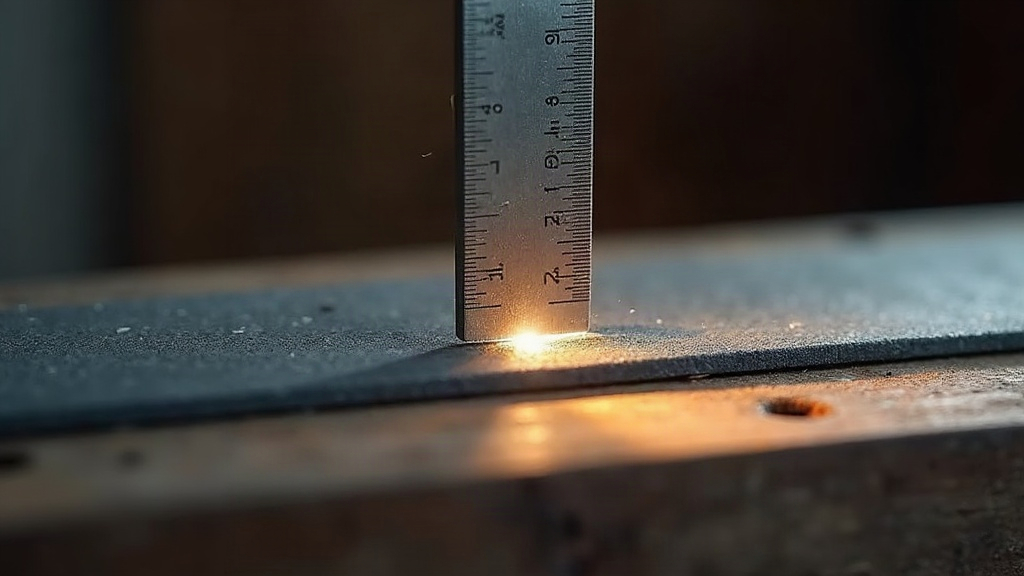
Check for Flatness: Periodically inspect the whetstone’s surface using a straightedge. The objective is to achieve a uniform surface, free of dishing or hollows.
2. Using Sandpaper
Sandpaper can also serve as an effective tool for flattening whetstones. This method is particularly useful for softer whetstones.
-
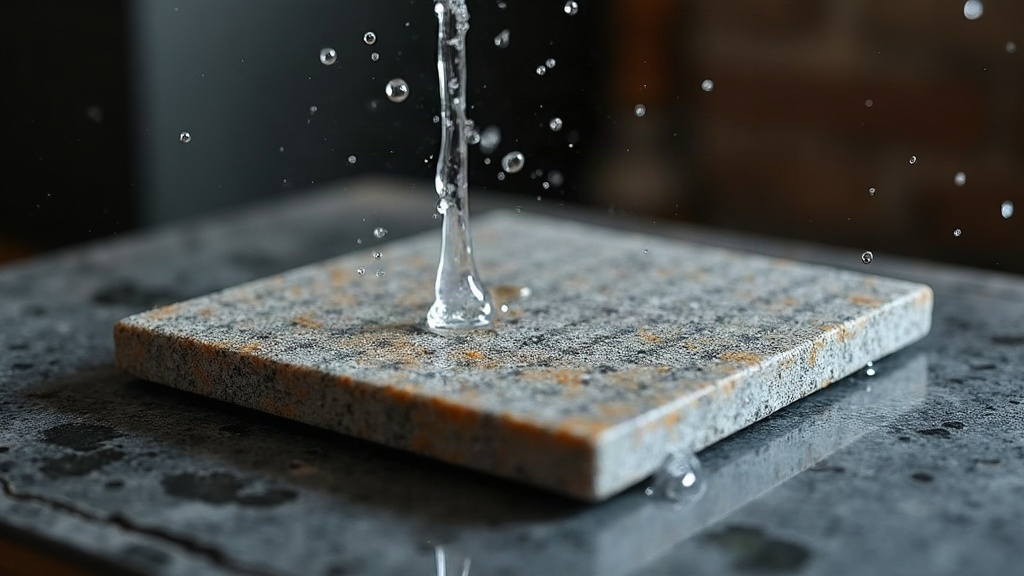
Materials Needed: Obtain a flat substrate (like glass or a granite slab) and a range of sandpaper grits (e.g., 120, 240, and 400).
-
Methodology:
- Attach the sandpaper to the flat substrate using spray adhesive or double-sided tape.
- Dampen the whetstone to prevent dust and debris from accumulating.
- Move the whetstone in a figure-eight pattern across the sandpaper, applying light but consistent pressure.
-
Fine-Tuning: Once the initial flattening is complete with coarser grits, switch to finer grits to finish the surface. Aim for a smooth finish that is still conducive to sharpening.
Comparison of Lapping Plates and Sandpaper
The following table outlines the technical parameters, benchmarks, and recommendations for using lapping plates versus sandpaper for flattening whetstones:
| Parameter | Lapping Plates | Sandpaper |
|---|---|---|
| Material | Diamond or abrasive composite | Paper with silicon carbide or aluminum oxide |
| Grit Options | 100 to 1200 grit available | 60 to 2000 grit available |
| Efficiency | Quick removal of material | Slower, but effective for softer stones |
| Surface Finish | Uniform, flat surface | Can vary based on grit used |
| Durability | Long-lasting, reusable | Needs replacement after use |
| Cost | Higher initial investment | Lower initial cost |
| Best Use Case | For professional-grade whetstones | For softer or less expensive stones |
Best Practices for Whetstone Maintenance
-
Regular Inspection: Check your whetstone’s surface regularly for dishing or hollows. Addressing these issues early can prolong the life of your stone.
-
Proper Technique: When sharpening, use consistent pressure and avoid excessive force to minimize uneven wear.
-
Storage: Store whetstones in a cool, dry place, away from direct sunlight and moisture, to prevent damage.
-
Cleaning: After use, clean your whetstone with water and a soft brush to remove metal particles and debris, which can affect performance.
-
Use of a Flat Surface: Always ensure you are flattening your whetstone on a flat and stable surface to prevent introducing new imperfections.
Interactive Tool Callout
For a more tailored approach to your whetstone maintenance needs, utilize our Whetstone Flattening Calculator to determine the best approach based on your specific situation.
Frequently Asked Questions
1. How often should I flatten my whetstone?
The frequency of flattening depends on usage. For regular use (multiple times per week), flattening every few weeks is recommended. For occasional use, inspect and flatten before significant sharpening sessions.
2. Can I use a whetstone that is slightly dished?
While you can use a dished whetstone, it compromises the sharpening angle and can lead to uneven edges on your knives. It is always best to flatten your whetstone before sharpening to ensure optimal results.
3. What grit should I start with when flattening a whetstone?
Start with a coarser grit (100-300) for initial flattening to remove material quickly. Once the surface is relatively flat, transition to finer grits (400-1000) for finishing and achieving a smooth surface.