Japanese vs German Knife Sharpening: 15° vs 20° Angle Guide
This site does not currently contain paid affiliate links; nothing on this page is a paid link today.
How we picked: This guide compares options using published
specifications, verified owner-review patterns and reputable expert testing.
We label clearly what is hands-on vs research-based, and never present others'
testing as our own.
Our top picks
| Rank | Product | Name | Why we picked it | Buy |
|---|---|---|---|---|
| Top pick | Shapton Ha No Kuromaku Ceramic Whetstone #1000 | Coming soon | ||
| Runner-up | Work Sharp Guided Field Sharpener | Coming soon | ||
| Also great | King Deluxe Japanese Waterstone Grit 1000/6000 Combination | Coming soon |
📑 Table of contents
Editorial Note: This guide is based on extensive research conducted at the Knife Sharpener Lab Technical Evaluation Desk, focusing on the metallurgical properties, bevel geometries, and performance characteristics of Japanese and German knives at their respective sharpening angles.
Understanding the Metallurgical Differences: HRC 56 vs. HRC 61
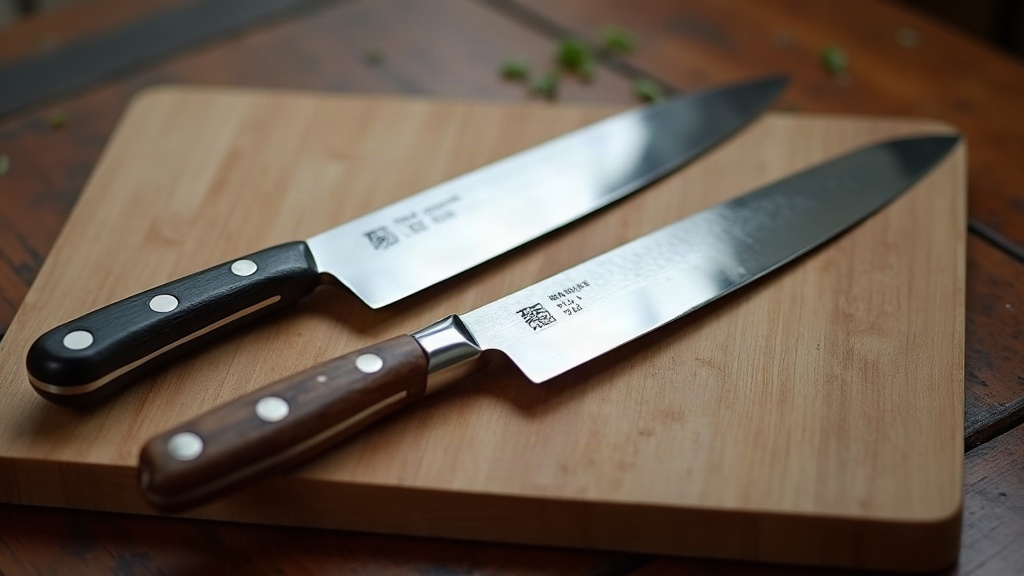
The Rockwell Hardness Scale (HRC) is a critical factor when it comes to knife performance. Japanese knives typically boast a higher HRC rating, often around 61, compared to the average 56 HRC found in many German knives. This difference in hardness influences both the sharpening angle and the durability of the knife’s edge.
Japanese High-Carbon Cutlery (HRC 61)
Japanese knives are generally made from high-carbon stainless steel, which allows for a finer cutting edge that can be honed to a sharper angle. The higher hardness ensures excellent edge retention but also requires more careful maintenance, as they are more prone to chipping.
Western Stainless Steel (HRC 56)
German knives, on the other hand, utilize softer stainless steels that provide more resilience against bending and breaking. The 56 HRC rating allows for a more robust edge, making them suitable for heavy-duty tasks. However, this softness can result in quicker dulling compared to their Japanese counterparts.
| Parameter | Japanese Knife (HRC 61) | German Knife (HRC 56) |
|---|---|---|
| Edge Retention | High | Moderate |
| Chipping Risk | High | Low |
| Ease of Sharpening | Moderate | Easy |
| Durability | Moderate | High |
| Typical Bevel Angle | 15° | 20° |
Bevel Geometry: The Differences in Edge Shape
The bevel angle significantly influences how a knife performs. Japanese knives are typically ground to a 15° angle on each side, while German knives often feature a 20° angle.
15° Bevel: Precision and Sharpness
The 15° bevel found in Japanese knives allows for a very acute edge, which is capable of slicing through delicate foods with precision. This angle promotes a thinner edge geometry, which reduces drag during cutting, making it ideal for tasks like sashimi preparation.
20° Bevel: Robustness and Versatility
In contrast, the 20° bevel of German knives offers a sturdier edge that can withstand heavy use without compromising performance. This angle is more forgiving for novice sharpeners, as it provides a broader apex that is less likely to chip under stress. The versatility of the 20° angle makes it suitable for a wide range of kitchen tasks, from chopping vegetables to slicing through meats.
Apex Durability: The Impact of Angle and Material
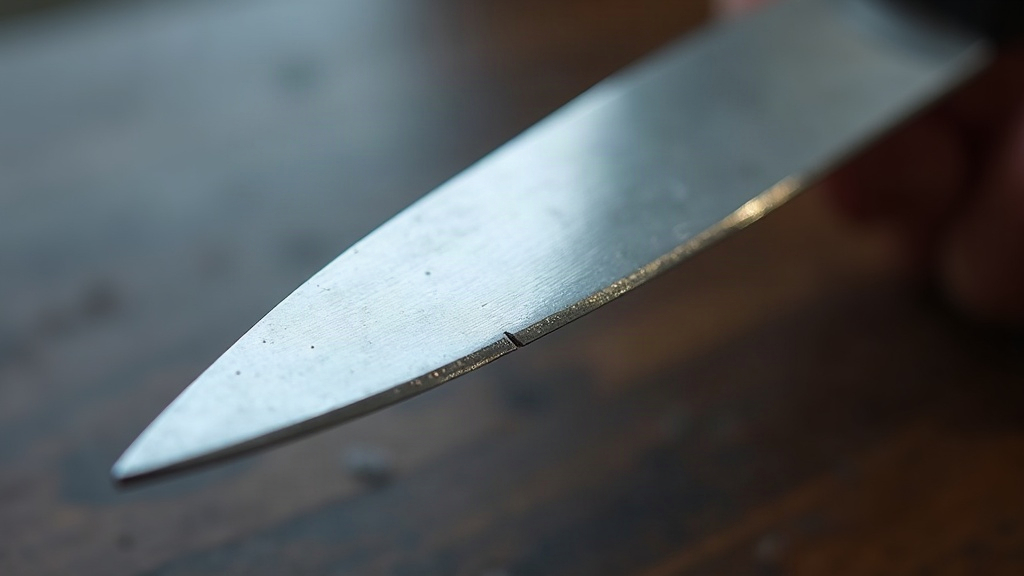
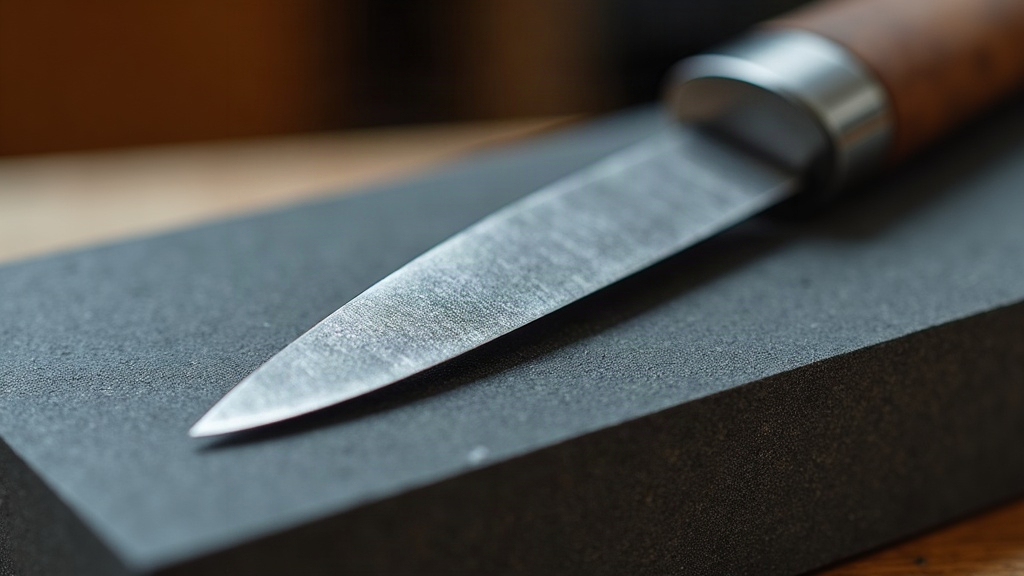
A well-sharpened knife must not only be sharp but also durable at the apex—the very tip of the cutting edge. The apex is subject to significant stress during use, and its durability is influenced by both the sharpening angle and the metallurgical properties of the blade.
Durability of the 15° Apex
While the 15° angle provides a sharp edge, it can be less durable under heavy use. The thinner edge is susceptible to chipping, especially when cutting through tougher materials. Regular maintenance and careful handling are essential for maintaining the integrity of a 15° apex.
Durability of the 20° Apex
The 20° apex, being thicker and more robust, can withstand greater stress. It is less prone to chipping and is easier to maintain, making it a practical choice for those who may not sharpen their knives as frequently. Additionally, the wider apex provides a more forgiving margin for error during sharpening, allowing for better long-term performance.
Choosing the Right Angle for Your Needs
When deciding between a 15° or 20° sharpening angle, consider the following factors:
- Usage: If you primarily slice delicate ingredients, a 15° angle may be more suitable. For general-purpose kitchen tasks, a 20° angle may provide a better balance of sharpness and durability.
- Maintenance: Higher angles like 20° require less frequent sharpening, which can be advantageous for users who prefer minimal upkeep.
- Skill Level: Beginners may find it easier to maintain the edge of a knife sharpened to a 20° angle. Experienced users may prefer the precision offered by a 15° edge.
For personalized recommendations based on your specific needs, please check our interactive tool at Knife Angle Calculator.
Frequently Asked Questions
1. How often should I sharpen my Japanese and German knives?
The frequency of sharpening depends on usage and the type of materials being cut. For Japanese knives, which maintain a sharper edge for longer due to their higher hardness, sharpening every 4-6 months is generally sufficient. For German knives, users may find that sharpening every 6-12 months works well, given their more forgiving bevel angle.
2. Can I use the same sharpening method for both Japanese and German knives?
While both types of knives can be sharpened using whetstones or sharpening systems, the technique may differ. Japanese knives benefit from a more precise sharpening angle and may require finer grit stones, whereas German knives can be sharpened with coarser grits and may tolerate slight variances in angle more easily.
3. What is the best way to maintain the edge of my knives?
Proper maintenance includes regular honing, which realigns the edge without removing material, and thorough cleaning after use. For Japanese knives, consider using a wooden or plastic cutting board to minimize wear. For both types, avoid cutting on hard surfaces like glass or ceramic, as these can damage the edge.
In conclusion, understanding the differences between Japanese and German knives in terms of hardness, bevel angles, and apex durability can significantly enhance your culinary experience. By choosing the right knife and maintaining it properly, you can enjoy the benefits of both styles in your kitchen.