How to Sharpen Japanese Knives Without Chipping the Apex
Independent editorial research. This site may earn commissions from qualifying purchases.
How we picked: This guide compares options using published
specifications, verified owner-review patterns and reputable expert testing.
We label clearly what is hands-on vs research-based, and never present others'
testing as our own.
Our top picks
| Rank | Product | Name | Why we picked it | Buy |
|---|---|---|---|---|
| Top pick | Shapton Ha No Kuromaku Ceramic Whetstone #1000 | Coming soon | ||
| Runner-up | King Deluxe Japanese Waterstone Grit 1000/6000 Combination | Coming soon | ||
| Also great | Work Sharp Guided Field Sharpener | Coming soon |
📑 Table of contents
Editorial Note: This guide is informed by extensive technical desk evaluations and practical experience with Japanese knife sharpening techniques. The focus is on metallurgical protocols specifically suited for high Rockwell hardness (HRC) steels, ensuring precise and effective sharpening without chipping the apex.
Understanding Japanese Knives and Their Steel Composition
Japanese knives are renowned for their exceptional sharpness and precision, primarily due to the high-quality steels used in their construction. Common materials include VG-10, SG2, and White Steel, which typically exhibit a Rockwell hardness of HRC 60 or above. These steels are designed for edge retention but require careful handling during sharpening to avoid chipping.
Steel Characteristics
| Steel Type | Hardness (HRC) | Edge Retention | Ease of Sharpening | Common Use |
|---|---|---|---|---|
| VG-10 | 60-61 | Excellent | Moderate | Chef’s knives, utility knives |
| SG2 | 61-63 | Superior | Moderate to Difficult | High-end knives, specialty knives |
| White Steel | 60-62 | Very Good | Moderate | Traditional knives, sushi knives |
When sharpening these materials, it’s critical to understand their metallurgical properties, including the crystalline structure, which influences how the steel reacts to abrasive materials.
The Importance of Angle Consistency
Maintaining a consistent sharpening angle is crucial when working with high-HRC Japanese knives. A slight deviation can lead to uneven sharpening and potentially chip the edge.
Recommended Angles for Japanese Knives
- Gyuto (Chef’s Knife): 15-20 degrees
- Santoku: 15-18 degrees
- Yanagiba (Slicing Knife): 12-15 degrees
- Deba (Butchering Knife): 20-25 degrees
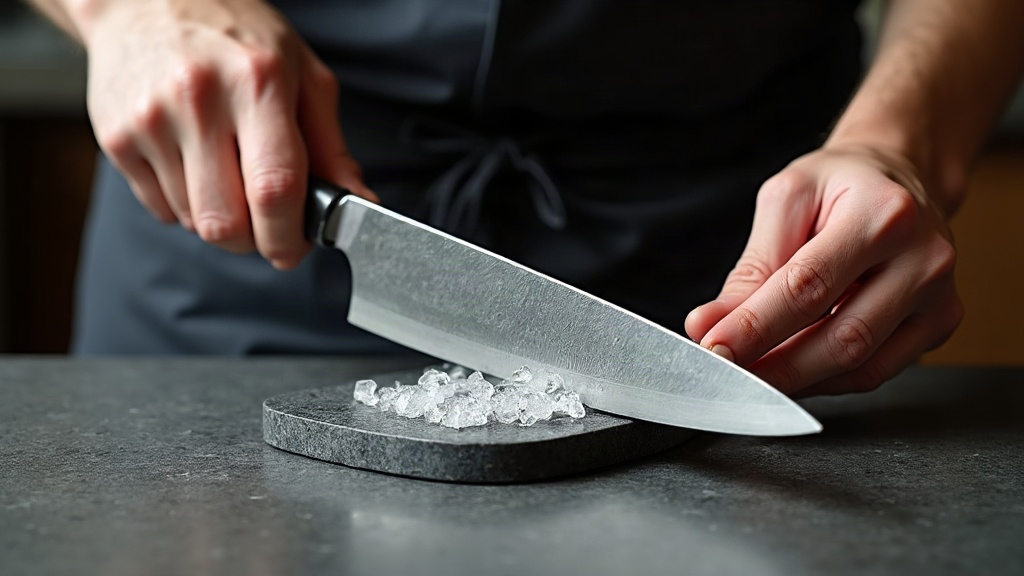
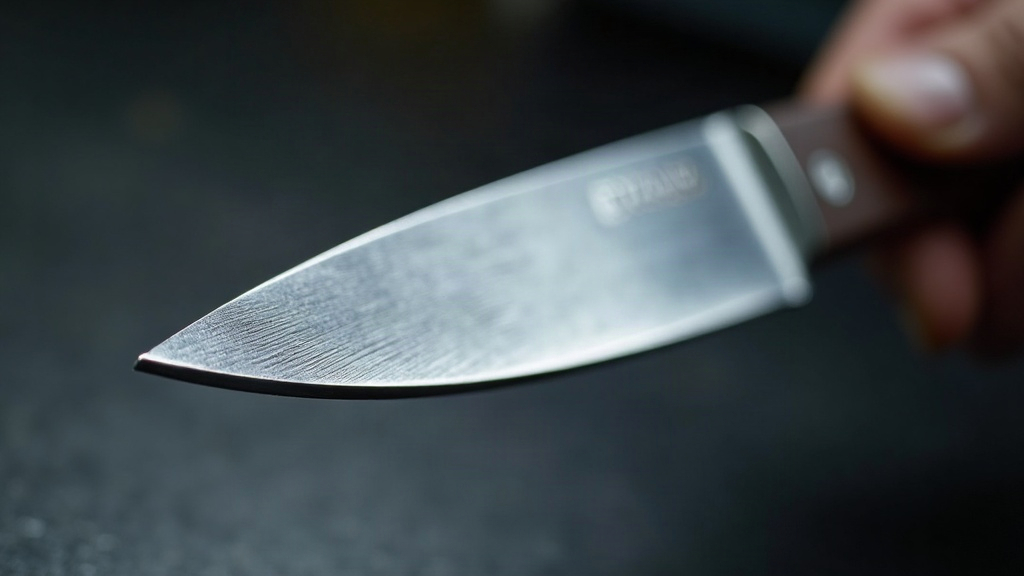
Using a sharpening guide or protractor can significantly enhance angle consistency. Tools designed for angle control help eliminate guesswork and ensure a precise edge.
Selecting the Right Waterstone Grit
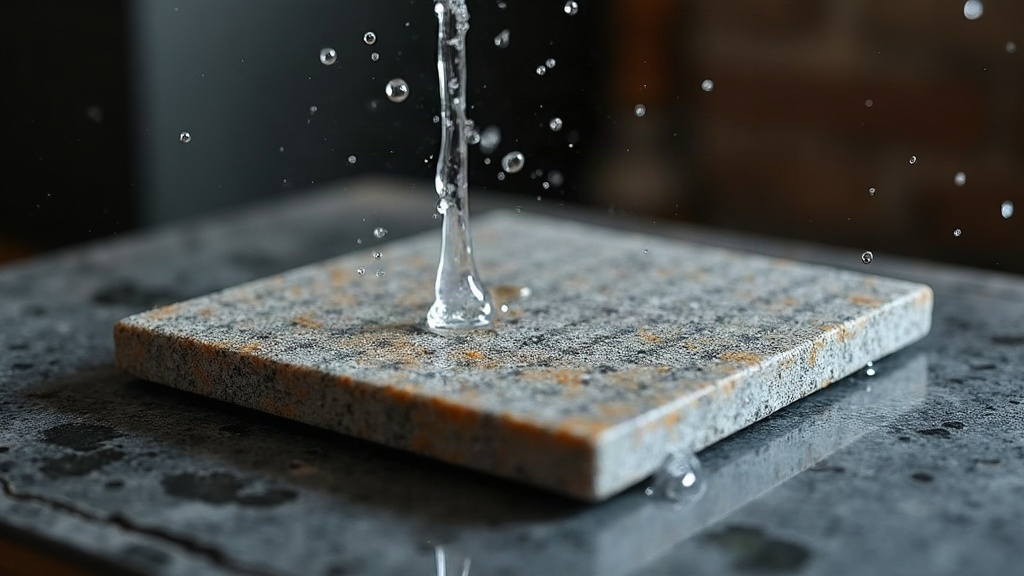
The choice of waterstone grit is paramount. Transitioning between grits should be done judiciously to avoid chipping the edge. Here’s a recommended grit sequence for sharpening Japanese knives:
- Coarse Grit (400-800): For initial sharpening and reshaping.
- Medium Grit (1000-3000): For refining the edge and establishing a burr.
- Fine Grit (4000-8000): For polishing and achieving a razor-sharp edge.
Grit Jump Considerations
When moving between grits, it’s essential to avoid excessive jumps. A jump of more than 2000 grit levels can create stress concentrations that may lead to chipping. For example, if you start at 1000 grit, you should not skip directly to 8000 grit but rather use 3000 grit as an intermediary.
| Grit Level | Purpose | Suggested Time (minutes) |
|---|---|---|
| 400 | Initial shaping | 5-10 |
| 1000 | Refining the edge | 10-15 |
| 3000 | Establishing a burr | 5-10 |
| 8000 | Polishing for final sharpness | 5-10 |
Burr Formation and Removal Techniques
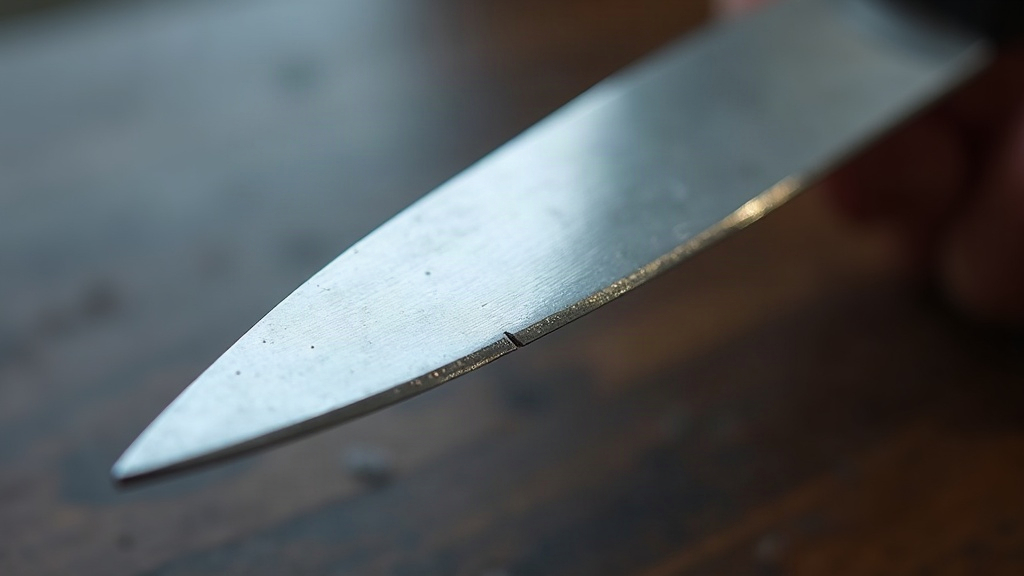
Burr formation is a natural part of the sharpening process. However, improper handling can lead to chipping. Understanding how to effectively remove the burr is essential.
Techniques for Burr Removal
- Lightly Hone the Edge: Use the finer grit stone with minimal pressure to remove the burr without impacting the edge.
- Use a Bamboo or Cork Backing: When honing, place the knife on a bamboo or cork surface to absorb some shock and reduce the chance of chipping.
- Stropping: After sharpening, a few passes on a leather strop can help eliminate any lingering burrs while polishing the edge.
Interactive Tool: Sharpening Angle Calculator
For those who want to ensure they are sharpening their knives at the correct angles, we offer a handy Sharpening Angle Calculator. This tool will help you determine the optimal angle based on your specific knife type and use case.
Frequently Asked Questions
1. What is the best way to maintain a consistent angle while sharpening?
Maintaining a consistent angle can be achieved through the use of a sharpening guide or jig. These tools stabilize the knife and ensure that you maintain the same angle throughout the sharpening process. Additionally, you can practice muscle memory by sharpening at the same angle freehand, but this requires significant skill and experience.
2. How do I know when my knife is sharp enough?
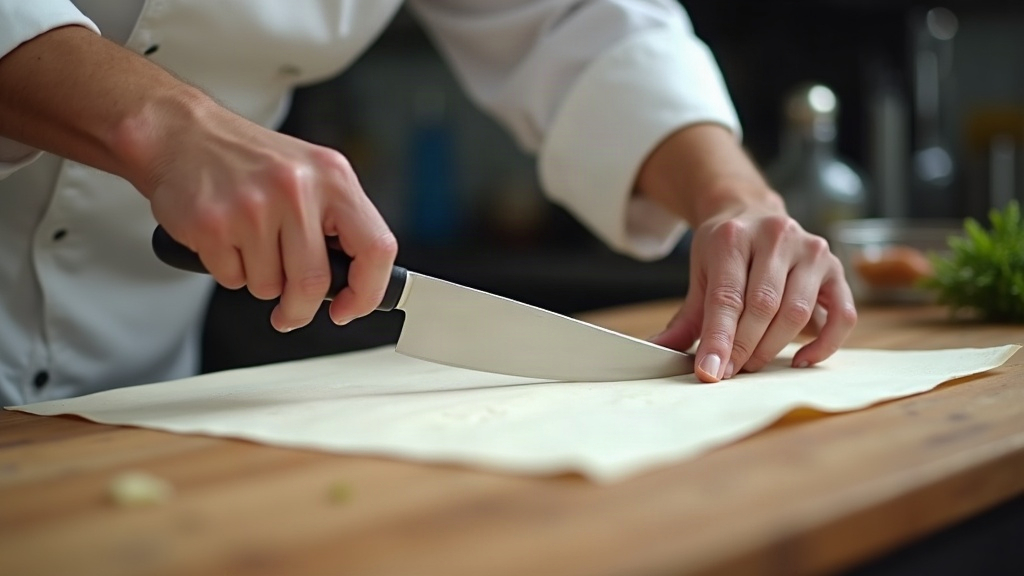
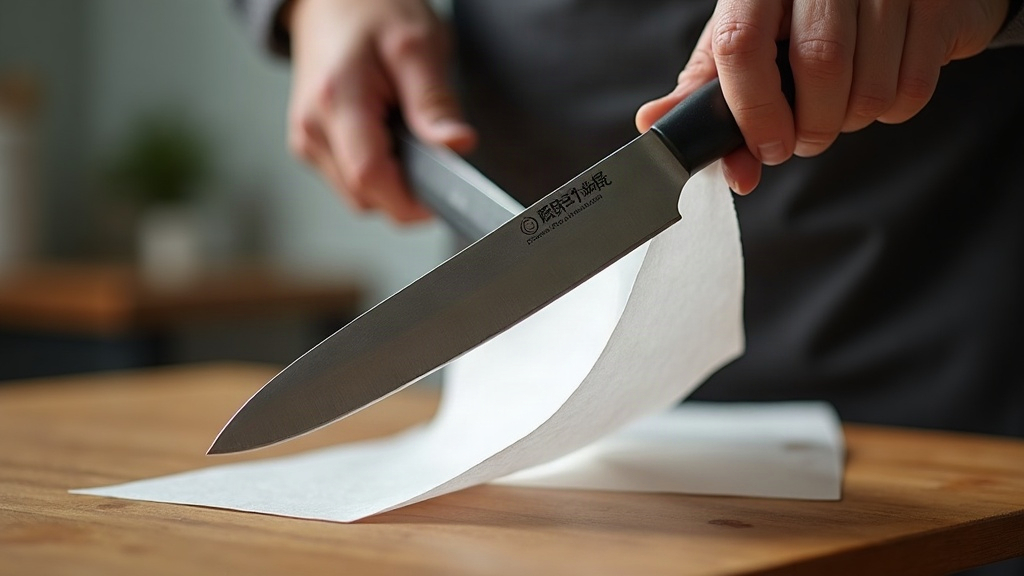
A sharp knife should easily slice through paper or perform a clean cut through vegetables or meat with minimal effort. Another test is to see if the knife can catch the edge of a fingernail; if it can grip without slipping, it’s adequately sharp.
3. Can I use electric sharpeners for Japanese knives?
While electric sharpeners can provide convenience, they often generate heat and can remove material too quickly for high-HRC steels, leading to potential chipping. Manual sharpening with waterstones is the preferred method for Japanese knives, as it allows for greater control and minimizes the risk of damage.