Waterstone vs Oilstone: Cutting Speed, Slurry, and Dishing
This site does not currently contain paid affiliate links; nothing on this page is a paid link today.
How we picked: This guide compares options using published
specifications, verified owner-review patterns and reputable expert testing.
We label clearly what is hands-on vs research-based, and never present others'
testing as our own.
Our top picks
| Rank | Product | Name | Why we picked it | Buy |
|---|---|---|---|---|
| Top pick | King Deluxe Japanese Waterstone Grit 1000/6000 Combination | Coming soon | ||
| Runner-up | Shapton Ha No Kuromaku Ceramic Whetstone #1000 | Coming soon | ||
| Also great | Work Sharp Guided Field Sharpener | Coming soon |
📑 Table of contents
Editorial Note: This guide is part of a series produced by Knife Sharpener Lab Technical Evaluation Desk, aimed at providing in-depth, scientifically-based comparisons of different knife sharpening methods and tools.
Introduction to Waterstones and Oilstones
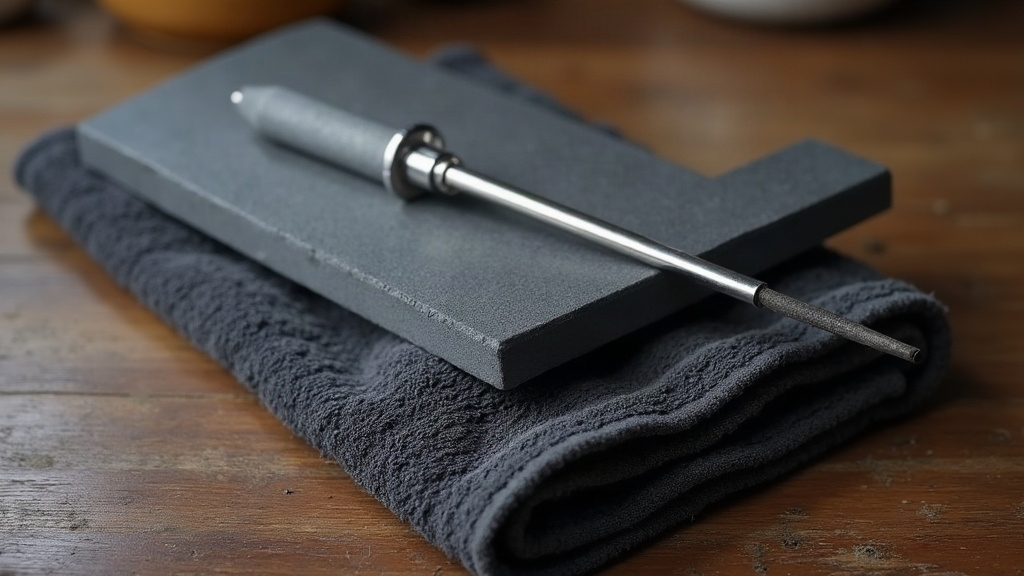
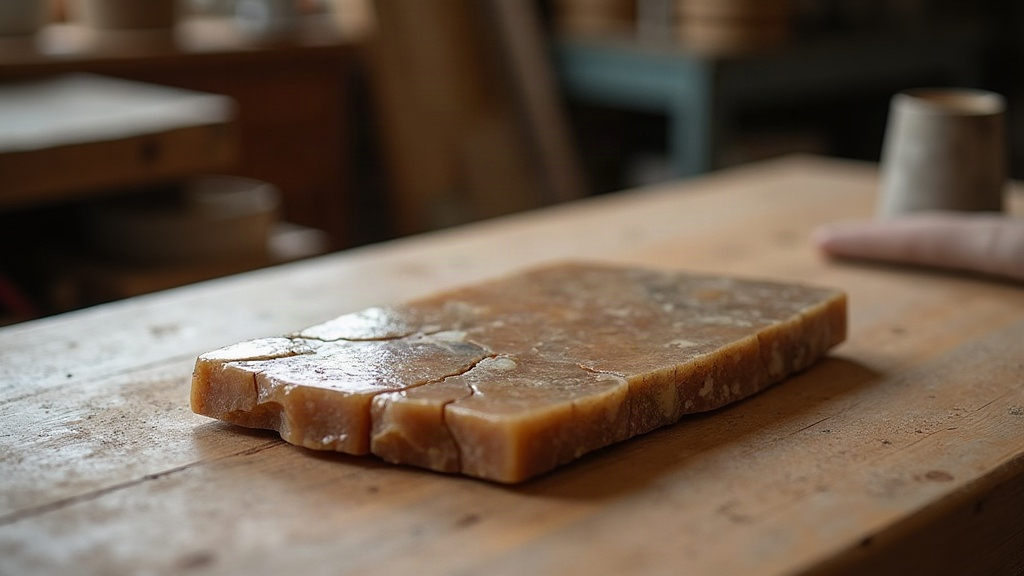
Knife sharpening is an essential skill for maintaining edge performance, and the choice of sharpening medium can significantly affect the outcome. Two prominent options are waterstones, typically made of synthetic aluminum oxide, and oilstones, often crafted from Arkansas novaculite. Each medium has its unique characteristics, including cutting speed, slurry production, and tendencies to dish over time. In this guide, we will conduct a thorough comparison of waterstones and oilstones, focusing on their technical parameters and performance metrics.
Cutting Speed: A Critical Analysis
When assessing the efficiency of knife sharpening stones, cutting speed is a crucial metric. It determines how quickly a stone can remove material from the blade, which directly correlates with the time spent sharpening.
Waterstones generally have a faster cutting speed compared to oilstones. The reason for this lies in their composition and structure. Waterstones are typically more porous, which allows for greater water retention and better particle suspension during sharpening. This leads to an increased cutting action as the abrasive particles work effectively against the steel.
Technical Breakdown of Cutting Speed
| Stone Type | Material Composition | Grit Range | Average Cutting Speed (mm/min) | Recommended Use |
|---|---|---|---|---|
| Waterstone | Synthetic Aluminum Oxide | 1000-8000 | 0.5 - 1.5 | General-purpose sharpening |
| Oilstone | Arkansas Novaculite | 400-1200 | 0.2 - 1.0 | Final honing and polishing |
From the table above, we can observe that the cutting speed of waterstones generally exceeds that of oilstones across comparable grit levels. This makes waterstones particularly advantageous for initial sharpening stages where material removal is prioritized.
Slurry Production: Implications for Sharpening
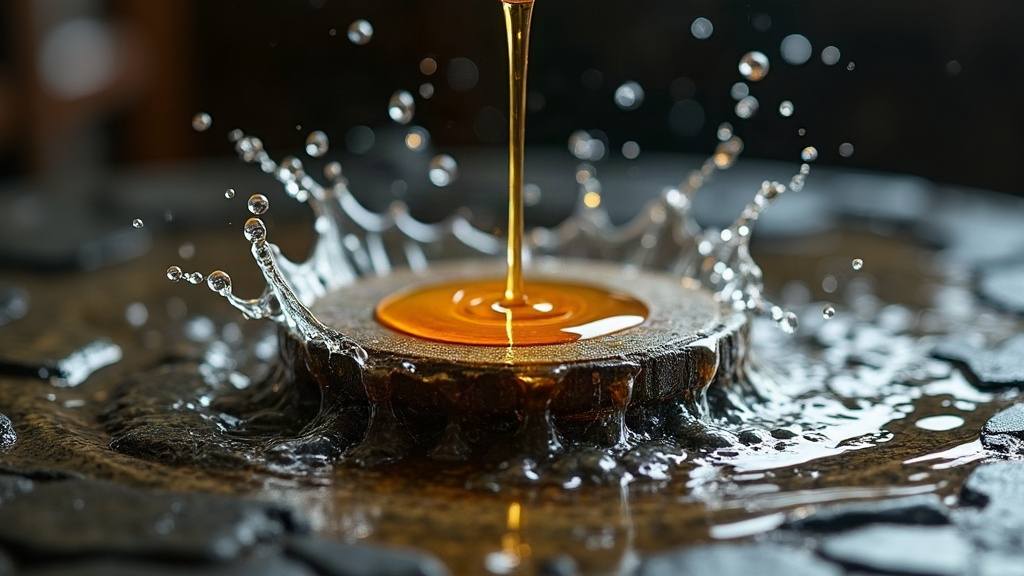
Slurry, the mixture of abrasive particles and water or oil produced during the sharpening process, plays a vital role in sharpening efficiency. The production of slurry can enhance cutting action by providing a lubricating effect and helping to carry away metal shavings.
Waterstones and Their Slurry Characteristics
Waterstones produce a significant amount of slurry when used with water. The fine particles generated create a paste that not only aids in sharpening but also helps refine the edge. This is particularly useful when transitioning to finer grits, as the slurry can help achieve a polished finish.
Conversely, oilstones produce less slurry due to their denser composition and the nature of oil as a lubricant. While oilstones can still provide a degree of lubrication, the lack of substantial slurry can limit their effectiveness in some sharpening scenarios.
Slurry Production Metrics
| Stone Type | Slurry Type | Amount Produced (ml/min) | Lubrication Efficiency |
|---|---|---|---|
| Waterstone | Water-based Slurry | 2-5 | High |
| Oilstone | Oil-based Slurry | 0.5-1 | Moderate |
The table illustrates the stark contrast in slurry production between the two types of stones. For users looking to refine their edges efficiently, waterstones are generally the superior choice.
Dishing: Longevity and Maintenance Considerations
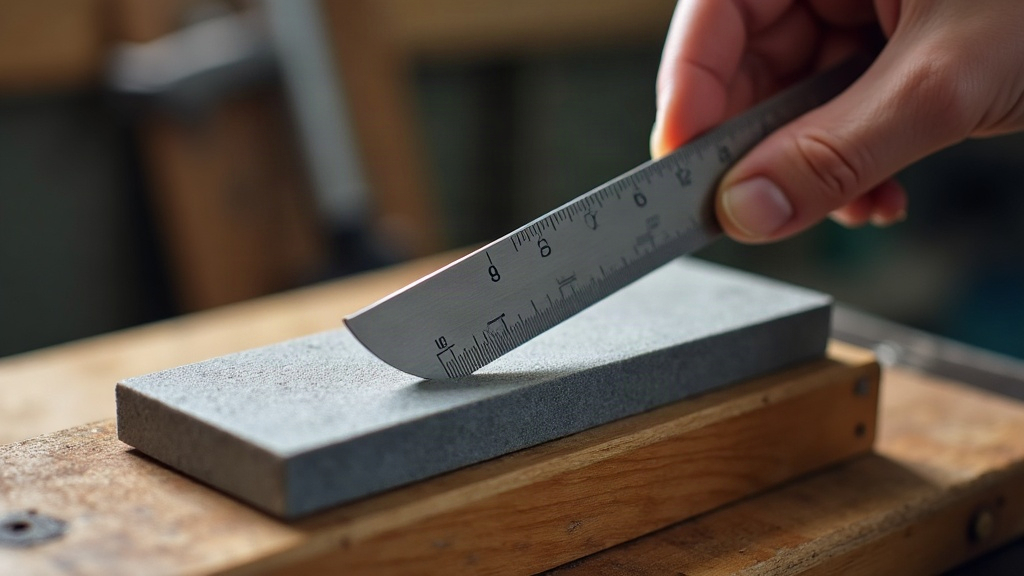
Dishing, the process by which a sharpening stone wears unevenly, is a significant concern for both waterstones and oilstones. Over time, dishing can lead to inefficient sharpening and an uneven surface that requires flattening.
Dishing Characteristics of Waterstones vs. Oilstones
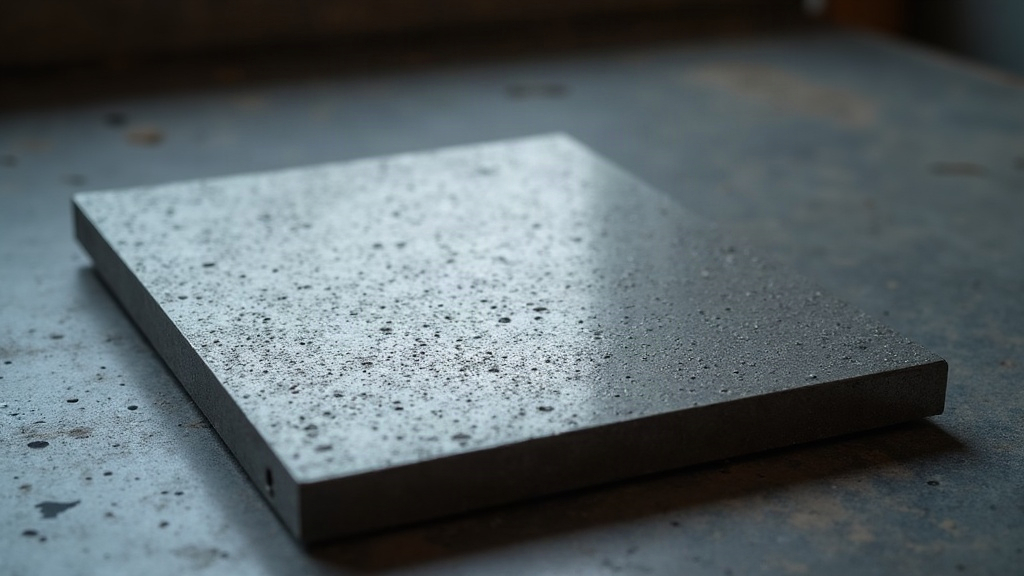
Waterstones are more prone to dishing due to their porous nature. As they wear down, the softer material can deform more easily, leading to a concave surface. However, the softer composition of waterstones also means they can be flattened relatively easily using a flattening stone or diamond plate.
On the other hand, oilstones, particularly those made from Arkansas novaculite, are denser and more resistant to dishing. However, when they do dish, the process of flattening is more laborious due to their hardness.
Dishing Longevity Metrics
| Stone Type | Dishing Rate (mm/week) | Flattening Ease (1-5) | Surface Hardness (Mohs) |
|---|---|---|---|
| Waterstone | 0.1-0.3 | 4 | 5-6 |
| Oilstone | 0.05-0.1 | 2 | 7-8 |
The table highlights that while waterstones may wear down faster, they are easier to maintain. Conversely, oilstones offer durability at the cost of complicating maintenance.
Recommendations Based on Use Cases
When choosing between waterstones and oilstones, it’s essential to consider the specific sharpening needs and preferences:
- For General Purpose Sharpening: Waterstones are recommended due to their faster cutting speed and effective slurry production.
- For Fine Honing and Polishing: Oilstones excel in providing a smooth finish without the need for excessive slurry.
- For Frequent Use: Waterstones may require more frequent maintenance due to dishing, while oilstones offer longevity.
- For Beginners: Waterstones are often easier for novices to work with, given their forgiving nature and the ease of creating slurry.
For a more tailored sharpening experience, consider using both types of stones in your sharpening regimen.
Frequently Asked Questions
Q1: Can I use waterstones without water?
Using waterstones without water is not recommended, as water is essential for effective sharpening. It aids in lubricating the stone, producing slurry, and preventing overheating, which can damage the blade.
Q2: How do I maintain my oilstone to prevent dishing?
To maintain an oilstone and prevent dishing, regularly check for uneven wear. Use a flat surface to periodically flatten the stone, and ensure that you’re using it with the appropriate lubricant—mineral oil is commonly recommended.
Q3: Are synthetic waterstones better than natural stones?
Synthetic waterstones often provide consistent performance and a wider range of grits compared to natural stones. However, some users prefer the feel and performance of natural stones for specific applications. Ultimately, the choice depends on personal preference and intended use.
For further exploration into sharpening techniques, consider utilizing our interactive sharpening calculator to find the best sharpening angles and techniques for your knife types.