Honing Steel vs Sharpening Stone: Realignment vs Metal Removal
This site does not currently contain paid affiliate links; nothing on this page is a paid link today.
How we picked: This guide compares options using published
specifications, verified owner-review patterns and reputable expert testing.
We label clearly what is hands-on vs research-based, and never present others'
testing as our own.
Our top picks
| Rank | Product | Name | Why we picked it | Buy |
|---|---|---|---|---|
| Top pick | Shapton Ha No Kuromaku Ceramic Whetstone #1000 | Coming soon | ||
| Runner-up | Work Sharp Guided Field Sharpener | Coming soon | ||
| Also great | King Deluxe Japanese Waterstone Grit 1000/6000 Combination | Coming soon |
Editorial Note: This guide is presented by the Knife Sharpener Lab Technical Evaluation Desk, dedicated to providing in-depth insights and analyses in the knife sharpening niche. Our goal is to equip you with expert knowledge to make informed decisions regarding honing steels and sharpening stones.
Honing Steel vs Sharpening Stone: Realignment vs Metal Removal
Choosing the right tools for knife maintenance is crucial for both professional chefs and home cooks. Understanding the differences between honing steels and sharpening stones is essential for maintaining the performance of your knives. This guide explores the technical nuances of these two essential tools, focusing on their mechanical principles, material properties, and practical applications.
Understanding Knife Edge Maintenance
Knives are designed to cut efficiently, but over time, their edges can become misaligned or dull. The two primary methods of maintenance are honing and sharpening.
-
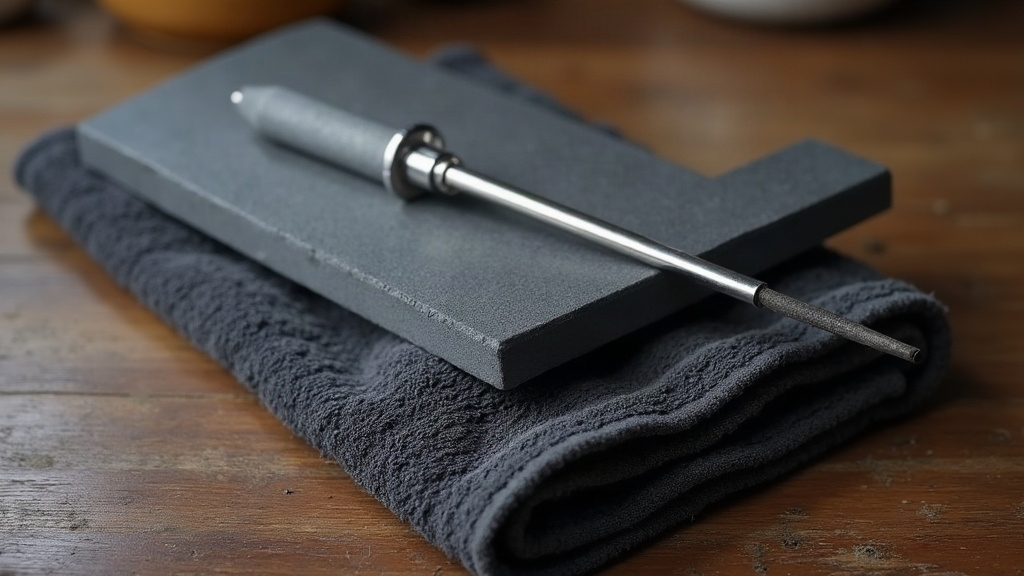
Honing: This process involves realigning the knife’s edge without removing material. A honing steel, typically a long, slender rod made from steel, ceramic, or diamond, is used to realign the edge of the blade.
-
Sharpening: This process removes material from the blade to restore a sharp edge. Sharpening stones, which can be made from various abrasive materials, are used to grind down the blade to achieve the desired edge angle.
While both tools play a vital role in knife care, they serve fundamentally different functions.
Honing Steel: Realignment Mechanics
Honing steels are designed to maintain the edge of a knife rather than sharpen it. They do this through a process known as apex rollover.
Apex Rollover Dynamics
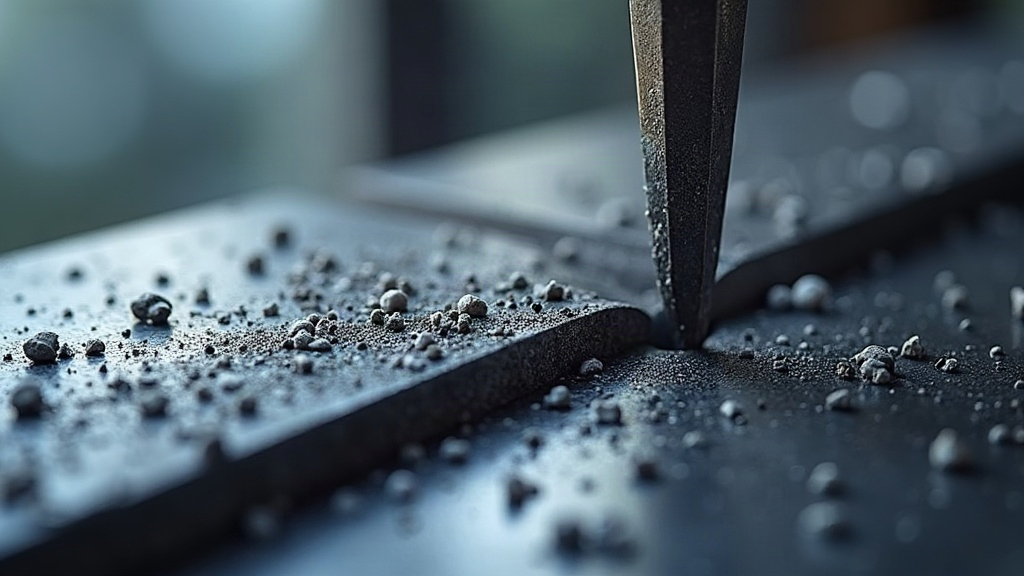
The apex of a knife edge is the very tip where two beveled surfaces meet. Over time, with use, this apex can bend slightly out of alignment. Honing steels work by applying pressure along the edge, causing the apex to realign.
-
Material Properties: Most honing steels are made from steel, ceramic, or diamond. Steel honing rods are generally less abrasive and are best for routine maintenance. Ceramic rods are harder and can produce finer alignments. Diamond rods are aggressive and can realign even heavily misaligned edges.
-
Limitations: While honing can realign a knife’s edge, it does not remove material. Therefore, if a blade has significant damage or wear, honing will not suffice.
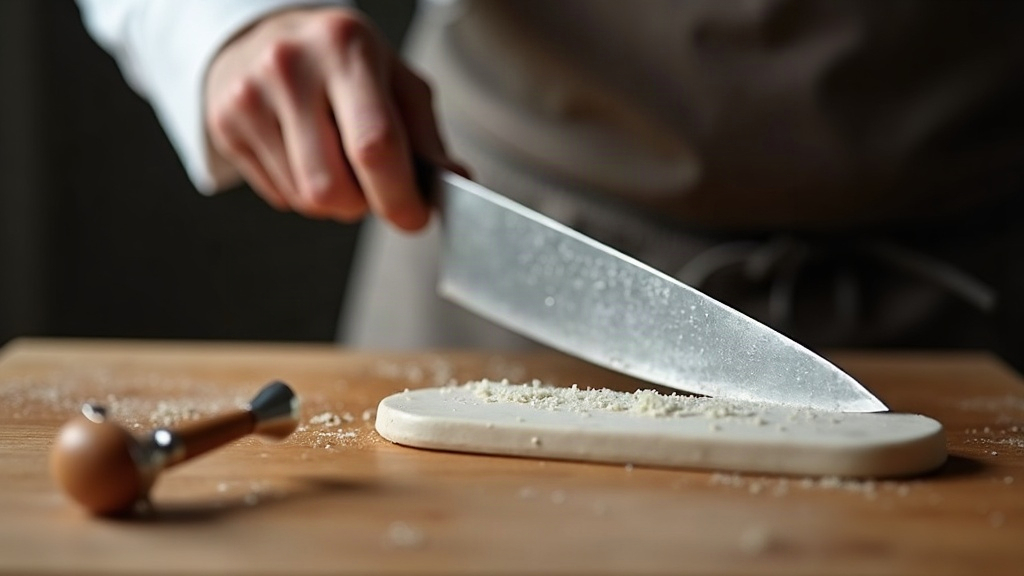
Sharpening Stones: Abrasive Grinding
Sharpening stones are designed for material removal, which is essential for restoring a dull or damaged edge.
Abrasive Mechanics in Sharpening
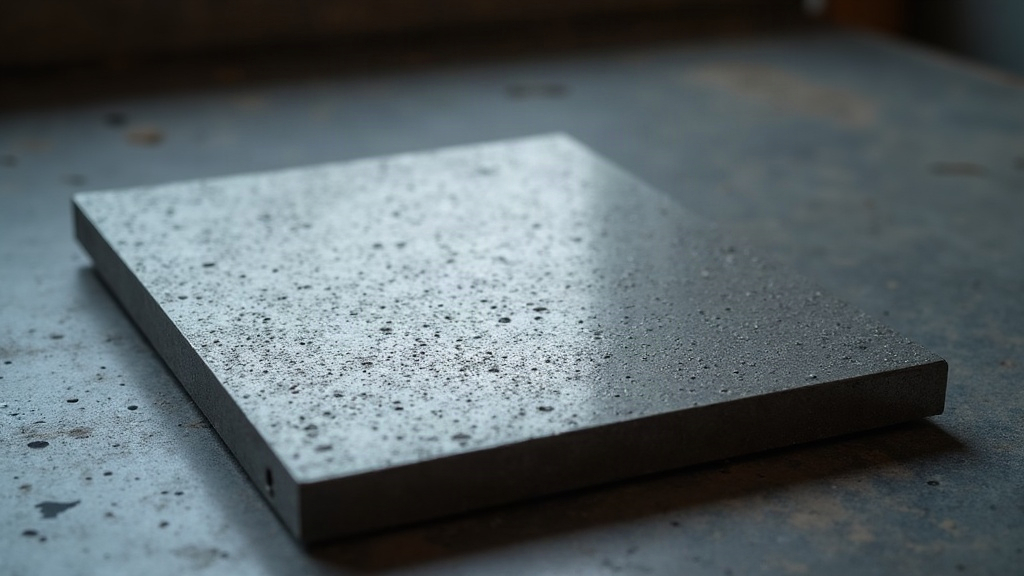
Sharpening stones come in various grits, which determine their abrasiveness. The grit size is crucial for achieving different levels of sharpness:
- Coarse Grit (200-600): Suitable for repairing dull edges, these stones remove material quickly.
- Medium Grit (800-1500): Ideal for general sharpening, these stones refine the edge after using a coarse stone.
- Fine Grit (2000 and above): These stones are used for honing and polishing the edge, creating a razor-sharp finish.
Material Composition of Sharpening Stones
Sharpening stones can be categorized into natural and synthetic types:
| Type | Material | Characteristics | Recommended Use |
|---|---|---|---|
| Natural Stone | Novaculite | Fine-grained, retains water well | Fine sharpening and polishing |
| Synthetic Stone | Aluminum oxide | Controlled grit, consistent performance | General sharpening |
| Diamond Stone | Synthetic diamond | Long-lasting, extremely abrasive | Heavy-duty sharpening |
| Water Stone | Clay or ceramic | Requires soaking, softer for finer edges | Precision sharpening |
The Role of Honing in Knife Maintenance
Honing is often confused with sharpening due to the similar visual effects of both processes. However, they are fundamentally different in execution and purpose.
-
Frequency of Use: Honing should be done regularly, ideally after every use, to maintain the edge. In contrast, sharpening is needed less frequently, depending on knife usage.
-
Technique: To effectively hone a knife, angle the blade at approximately 15-20 degrees to the honing steel. Draw the blade down the rod from heel to tip, alternating sides.
When to Choose Each Tool
The choice between honing steel and sharpening stone depends on the condition and maintenance needs of your knife.
-
Condition of Blade: If your knife is slightly misaligned, honing is the best option. If it is dull or has chips, sharpening is required.
-
Type of Knife: For softer steels, honing may be sufficient, while harder steels may require more frequent sharpening.
-
Personal Skill Level: Sharpening requires more skill and practice than honing. If you are not comfortable with sharpening techniques, regular honing is advisable.
Interactive Tool Callout
For personalized recommendations based on your specific knife types and usage, visit our Knife Sharpener Calculator to find the best sharpening and honing solutions for your needs.
Frequently Asked Questions
1. Can honing steel really restore a dull blade?
Honing steel can only realign a blade that is slightly misaligned. If a blade is truly dull or damaged, it requires sharpening to remove material and restore the edge.
2. How often should I hone or sharpen my knives?
Honing should be done after every use to maintain the edge. Sharpening frequency depends on usage; professional chefs may need to sharpen weekly, while home cooks may only need to do so every few months.
3. What is the ideal angle for honing and sharpening?
The ideal angle for honing is typically between 15-20 degrees. For sharpening, the angle can vary based on the knife type, generally ranging from 15 degrees for Asian-style knives to 20 degrees for Western-style knives.
Understanding the differences between honing steels and sharpening stones is crucial for maintaining your knives effectively. By applying the right techniques and tools, you can ensure your blades remain sharp, precise, and ready for any cutting task.