Best Diamond Sharpening Stones: Monocrystalline Plates Compared
This site does not currently contain paid affiliate links; nothing on this page is a paid link today.
How we picked: This guide compares options using published
specifications, verified owner-review patterns and reputable expert testing.
We label clearly what is hands-on vs research-based, and never present others'
testing as our own.
Our top picks
| Rank | Product | Name | Why we picked it | Buy |
|---|---|---|---|---|
| Top pick | Work Sharp Guided Field Sharpener | Coming soon | ||
| Runner-up | Shapton Ha No Kuromaku Ceramic Whetstone #1000 | Coming soon | ||
| Also great | King Deluxe Japanese Waterstone Grit 1000/6000 Combination | Coming soon |
📑 Table of contents
Editorial Note: This research guide is produced by the Knife Sharpener Lab Technical Evaluation Desk to provide an in-depth analysis of the best diamond sharpening stones, focusing on monocrystalline plates.
Understanding Diamond Sharpening Stones
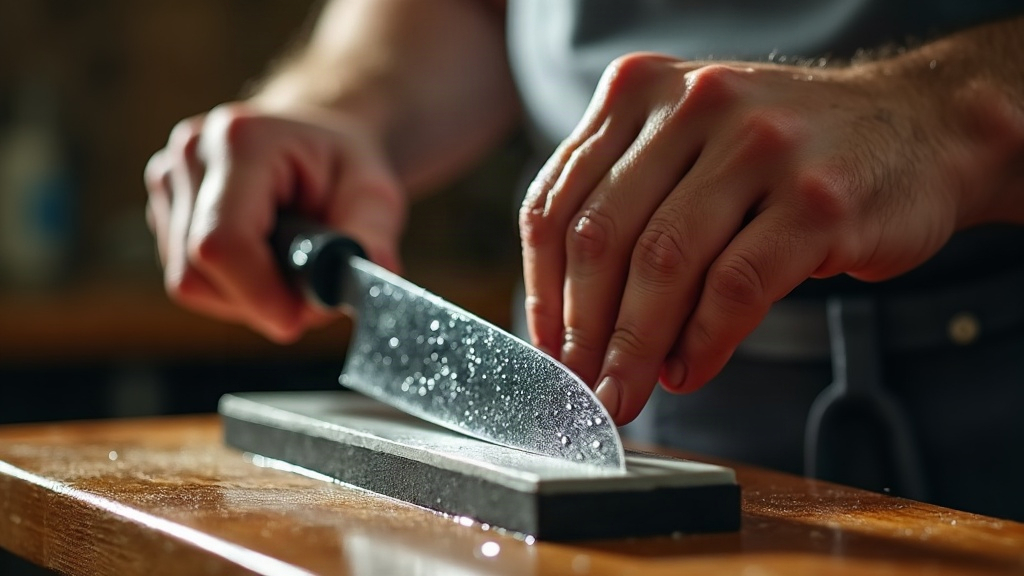
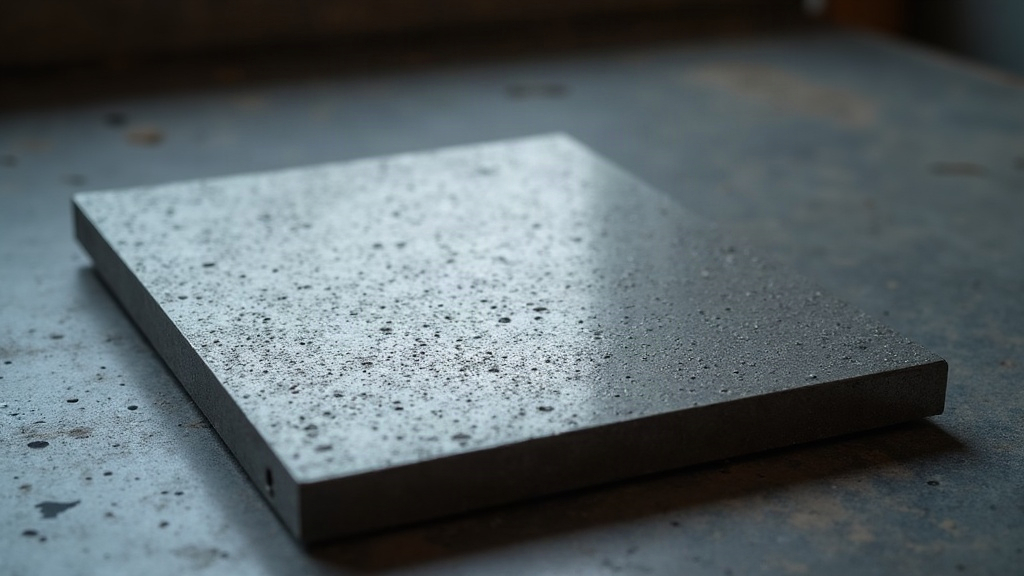
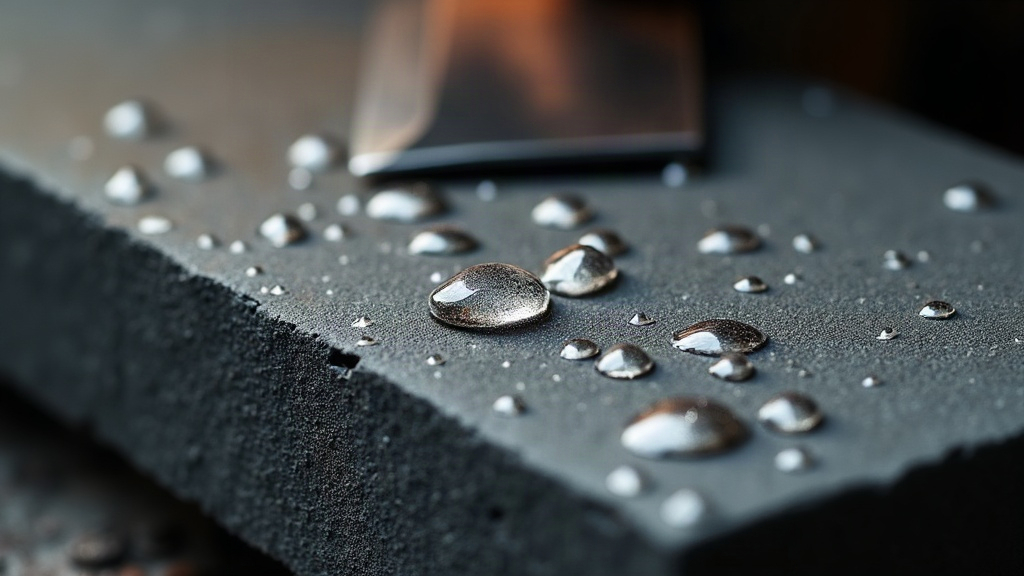
Diamond sharpening stones are essential tools in the world of knife maintenance, especially for those who work with ultra-hard powder steels. Unlike traditional whetstones, diamond plates employ a thin layer of diamond abrasive, which offers unparalleled cutting power and durability. Among the various types, monocrystalline diamond plates stand out for their efficiency in steel removal and longevity.
Monocrystalline diamonds consist of a single crystal structure, making them harder and more durable than their polycrystalline counterparts. This uniformity means they can maintain a sharper edge longer and are less likely to wear down or “dish” as quickly, providing consistent performance during sharpening sessions.
Benefits of Monocrystalline Diamond Plates
Durability and Longevity
Monocrystalline diamond plates are engineered for heavy-duty usage. Their hardness allows them to retain their flatness over time, which is particularly beneficial when sharpening high-carbon steels or stainless steels. Traditional sharpening methods often lead to dishing, where the stone develops grooves, making it difficult to achieve a consistent edge. Monocrystalline plates mitigate this issue due to their superior hardness and flatness retention.
Rapid Steel Removal
One of the notable advantages of using diamond plates is the speed at which they remove material. The cutting action of monocrystalline diamonds is efficient, allowing for rapid steel removal compared to ceramic or aluminum oxide stones. This characteristic is particularly valuable when working with ultra-hard powder steels, which can be notoriously difficult to sharpen using conventional stones.
Minimal Maintenance Requirements
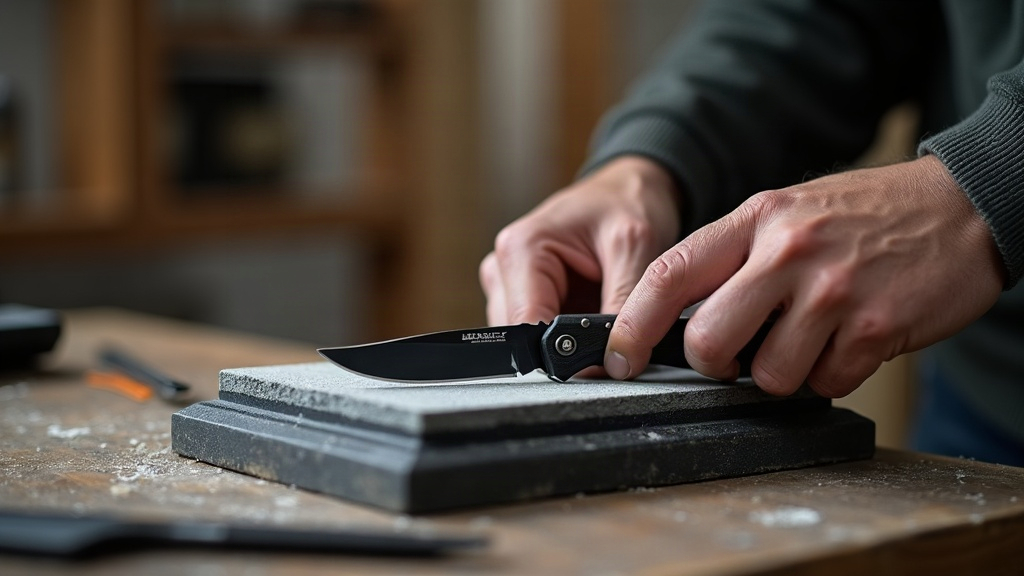
Unlike water stones that require soaking prior to use, diamond plates can be used dry or with minimal lubrication, which simplifies the sharpening process. This ease of use makes them an attractive option for both professionals and home cooks who may not have the time or inclination for extensive maintenance routines.
Key Specifications of Diamond Sharpening Stones
When evaluating diamond sharpening stones, several technical parameters should be considered. The table below summarizes critical specifications, benchmarks, and recommendations for various monocrystalline diamond sharpening plates currently available on the market.
| Model | Grit Size | Dimensions (inches) | Material Removal Rate | Flatness Retention | Price |
|---|---|---|---|---|---|
| DMT Dia-Sharp 8” | 600 | 8 x 3.1 | High | Excellent | $79.95 |
| EZE-LAP Diamond Stone | 1000 | 7 x 2.5 | Moderate | Good | $44.95 |
| Wicked Edge Diamond Plate | 400 | 5 x 1.5 | Very High | Excellent | $39.99 |
| Atoma Diamond Plate | 1200 | 8 x 3 | High | Very Good | $89.95 |
Note: Prices are approximate and may vary based on retailers.
Selecting the Right Diamond Sharpening Plate
Grit Size Considerations
Selecting the appropriate grit size is crucial for achieving the desired sharpening results. For general knife maintenance, a medium grit of around 600 to 1000 is often sufficient. For heavy restoration work or when dealing with extremely dull knives, a coarser grit (around 400) is recommended. Conversely, for honing and polishing edges, finer grits (1200 and above) provide the necessary finish.
Plate Thickness and Dimensions
The thickness of the diamond plate can significantly impact both durability and usability. A thicker plate (typically around 1/2 inch) offers increased longevity and stability, which is essential for consistent sharpening. Furthermore, dimensions should be considered based on the types of knives being sharpened. Larger plates allow for more versatility, especially for larger blades.
Price vs. Performance
While price is an important factor, it should not be the sole determinant. Investing in a higher-quality diamond plate can lead to better performance and longevity, ultimately saving money in the long run. Evaluate the performance benchmarks and user reviews to ensure that the product meets your sharpening needs without compromising on quality.
Conclusion
Monocrystalline diamond sharpening stones represent the pinnacle of sharpening technology for modern knives, particularly those made from ultra-hard powder steels. They offer rapid steel removal, exceptional durability, and ease of maintenance, making them a valuable tool for both professional and home chefs.
For those looking to enhance their knife sharpening experience, investing in a high-quality diamond sharpening plate tailored to specific needs will yield the best results.
Interactive Tool
For a tailored recommendation based on your specific needs, check out our Sharpening Calculator.
Frequently Asked Questions
What is the difference between monocrystalline and polycrystalline diamond plates?
Monocrystalline diamond plates consist of a single, uniform crystal structure, leading to greater hardness and longevity compared to polycrystalline plates, which are made up of multiple smaller crystals. This difference results in better performance in terms of cutting efficiency and wear resistance.
How do I maintain my diamond sharpening plates?
Diamond sharpening plates require minimal maintenance. Clean them after each use with water and a soft brush to remove metal filings. Avoid using abrasive cleaners that could damage the diamond surface. Store them flat to prevent any warping.
Can diamond plates sharpen any type of knife?
Diamond sharpening plates are particularly effective for high-carbon and stainless steel knives, including those made from ultra-hard powder steels. However, they may not be the best choice for softer metals or traditional Japanese knives, which can benefit more from water stones or ceramics.