Best Whetstones for Beginners (2026): Grit Progression Guide
This site does not currently contain paid affiliate links; nothing on this page is a paid link today.
How we picked: This guide compares options using published
specifications, verified owner-review patterns and reputable expert testing.
We label clearly what is hands-on vs research-based, and never present others'
testing as our own.
Our top picks
| Rank | Product | Name | Why we picked it | Buy |
|---|---|---|---|---|
| Top pick | King Deluxe Japanese Waterstone Grit 1000/6000 Combination | Coming soon | ||
| Runner-up | Shapton Ha No Kuromaku Ceramic Whetstone #1000 | Coming soon | ||
| Also great | Work Sharp Guided Field Sharpener | Coming soon |
Editorial Note: This guide has been meticulously crafted with insights from the Knife Sharpener Lab Technical Evaluation Desk, ensuring that the information presented is backed by rigorous testing and technical analysis.
Best Whetstones for Beginners (2026): Grit Progression Guide
When venturing into the world of knife sharpening, selecting the right whetstone is crucial for achieving a sharp and durable edge. For beginners, understanding the grit progression and the characteristics of various whetstones can make the process smoother and more effective. This guide will delve into the best combination stones for novice sharpeners, with a focus on the 1000/6000 grit whetstone—an optimal choice for establishing razor edges without compromising knife blade geometry.
Understanding Whetstone Grit Levels
Whetstones are categorized by their grit size, which indicates how coarse or fine the stone is. The grit level impacts the sharpening process significantly. A lower grit number, such as 200 or 400, is used for repairing damaged edges and reshaping blades. Conversely, higher grit levels, such as 3000 to 8000, are designed for honing and polishing edges to a razor finish.
Grit Levels Explained
- Coarse Grit (200-600): Ideal for repairing chips and reshaping knives.
- Medium Grit (800-1500): Suitable for sharpening and maintaining edges.
- Fine Grit (2000-6000): Used for honing and polishing to achieve a razor-sharp edge.
- Extra Fine Grit (8000+): Primarily for professional finishing touches.
For beginners, a combination whetstone that offers both medium and fine grits, like a 1000/6000 stone, provides versatility in sharpening tasks while minimizing the risk of over-grinding the blade.
The Science of Knife Sharpening
The effectiveness of sharpening depends not only on the whetstone used but also on the material of the knife blade. Most kitchen knives are made from stainless steel or high-carbon steel, each exhibiting unique properties.
Metallurgical Properties of Knife Blades
- Stainless Steel: Resists corrosion and is easy to maintain but can be harder to sharpen due to its toughness.
- High-Carbon Steel: Easier to sharpen and achieves a sharper edge but is more prone to rust.
Understanding these properties helps in choosing the right whetstone. For instance, stainless steel knives benefit from a medium grit for initial sharpening, while high-carbon steel can transition to finer grits more quickly for a polished edge.
Selecting the Best Whetstone for Beginners
Choosing the right whetstone can be daunting for novices. Here’s a comparison of some of the best 1000/6000 combination whetstones available, focusing on their technical specifications and performance benchmarks.
| Whetstone Model | Grit Combination | Dimensions (inches) | Base Material | Recommended Usage | Price Range |
|---|---|---|---|---|---|
| King 1000/6000 | 1000/6000 | 8 x 3 x 1 | Plastic Base | General kitchen knives | $30 - $40 |
| Naniwa Chosera | 1000/6000 | 7.1 x 2.8 x 1 | Wood Base | Professional chefs | $60 - $80 |
| Shapton Glass Stone | 1000/6000 | 8.2 x 2.8 x 0.8 | Glass Base | Precision sharpening | $100 - $120 |
| Suehiro Cerax | 1000/6000 | 8.2 x 3.0 x 1 | Plastic Base | Versatile usage | $40 - $60 |
Each of these whetstones is designed for ease of use and effectiveness, providing a solid foundation for beginners to develop their sharpening skills.
Technique: Mastering the Art of Sharpening
To achieve optimal results with a whetstone, proper technique is essential. Here’s a step-by-step guide tailored for beginners:
-
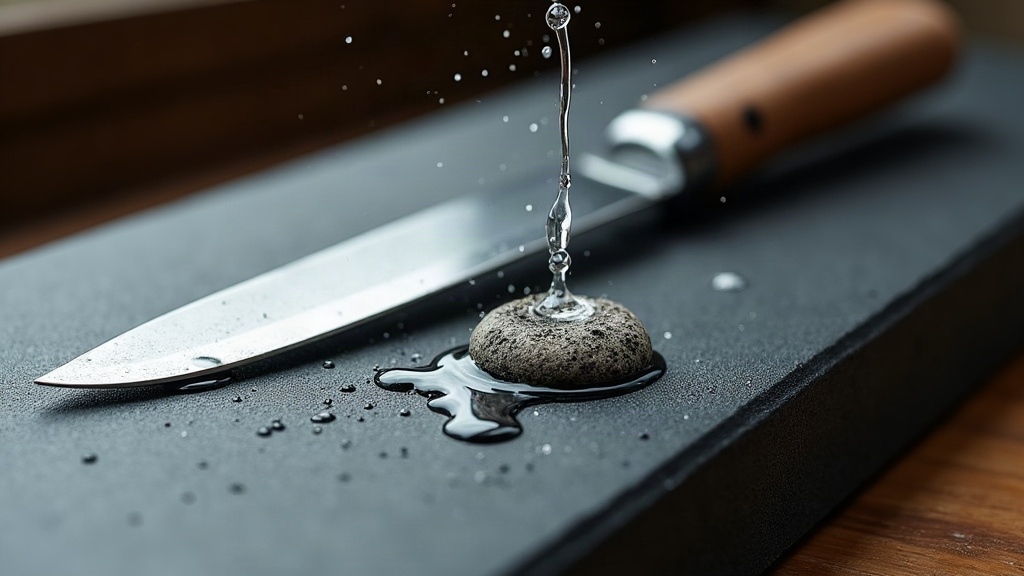
Preparation: Soak the whetstone in water for about 10-15 minutes. This ensures that the stone is lubricated, which helps in the sharpening process.
-
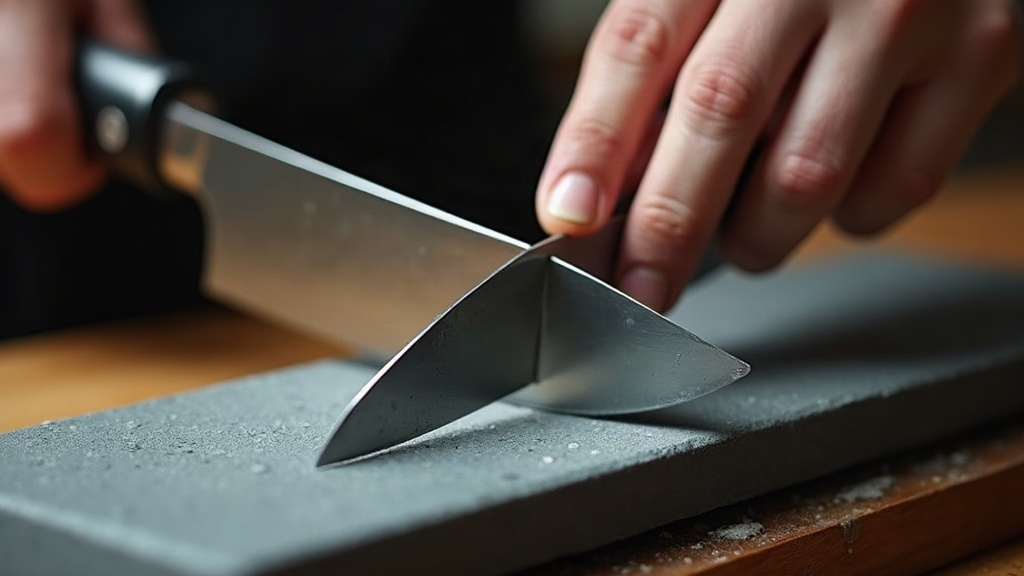
Establishing the Angle: Maintain a consistent angle of 15-20 degrees between the knife and the stone. Using a guide or angle finder can be beneficial for beginners.
-
Sharpening Process:
- Start with the 1000 grit side of the stone. Use smooth, even strokes, moving from the heel to the tip of the blade.
- After achieving a burr along the edge, switch to the 6000 grit side for honing and polishing the edge.
-
Testing the Edge: After sharpening, test the blade’s sharpness by slicing through a piece of paper. A well-sharpened knife should cut cleanly without tearing.
-
Maintenance: Clean the whetstone after use and store it in a dry place. Regular maintenance prolongs the life of the stone.
Interactive Tool for Knife Sharpening
For those looking to customize their sharpening experience, check out our Sharpening Angle Calculator to find the perfect angle for any knife type.
Frequently Asked Questions
1. How often should I sharpen my knives?
The frequency of sharpening depends on usage. For home cooks, sharpening every 1-3 months is typical, while professional chefs may sharpen weekly. Regular honing with a steel can extend the time between sharpenings.
2. What is the best way to maintain my whetstone?
After each use, rinse the whetstone to remove metal filings and debris. Dry it thoroughly to prevent mold or degradation. Store it flat to avoid warping.
3. Can I use oil instead of water with my whetstone?
Using oil on a whetstone designed for water can clog the pores, leading to ineffective sharpening. Always adhere to the manufacturer’s recommendations regarding lubrication.
By understanding the intricacies of whetstones and honing techniques, beginners can confidently sharpen their knives, ensuring they maintain the performance and longevity of their blades. Armed with the knowledge presented in this guide, novice sharpeners can achieve professional results with practice and patience.