Best Guided Knife Sharpening Systems: Clamp & Rod Precision
This site does not currently contain paid affiliate links; nothing on this page is a paid link today.
How we picked: This guide compares options using published
specifications, verified owner-review patterns and reputable expert testing.
We label clearly what is hands-on vs research-based, and never present others'
testing as our own.
Our top picks
| Rank | Product | Name | Why we picked it | Buy |
|---|---|---|---|---|
| Top pick | Work Sharp Guided Field Sharpener | Coming soon | ||
| Runner-up | Shapton Ha No Kuromaku Ceramic Whetstone #1000 | Coming soon | ||
| Also great | King Deluxe Japanese Waterstone Grit 1000/6000 Combination | Coming soon |
📑 Table of contents
Editorial Note: This guide has been meticulously crafted by the Knife Sharpener Lab Technical Evaluation Desk team. Our objective is to provide readers with comprehensive insights into guided knife sharpening systems, ensuring that you make an informed decision based on technical specifications and practical applications.
Introduction to Guided Knife Sharpening Systems
Guided knife sharpening systems have revolutionized the way we approach blade maintenance. Unlike traditional freehand methods, these systems utilize clamps and rods to maintain precise angles and consistency throughout the sharpening process. This guide will delve deep into the technical aspects of guided knife sharpening systems, specifically focusing on clamp-and-rod precision, the elimination of hand tremor, and the importance of achieving uniform apex bevels.
Understanding Clamp-and-Rod Precision
Mechanics of Guided Systems
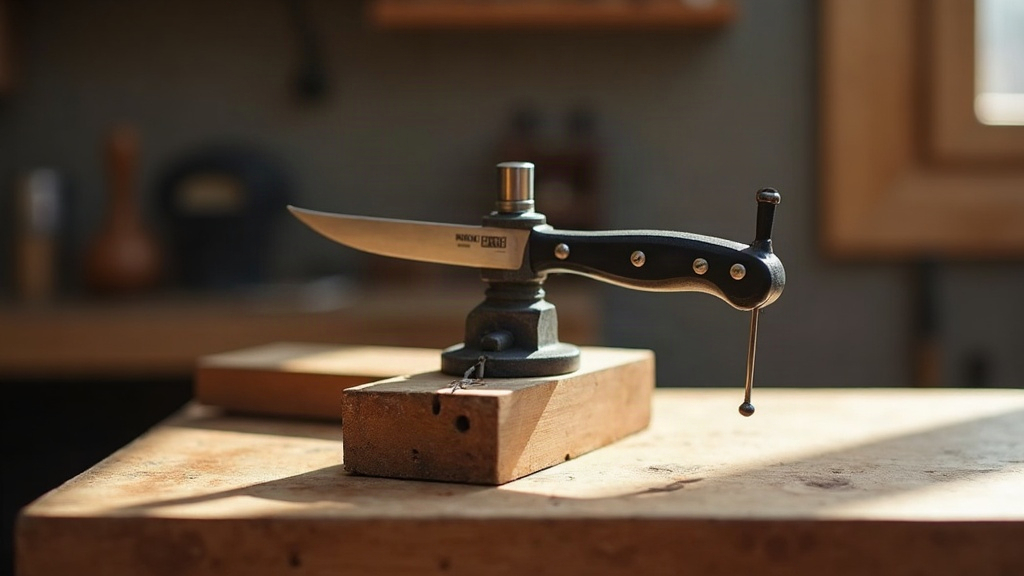
Clamp-and-rod sharpening systems utilize a fixed clamping mechanism to securely hold the knife at a predetermined angle. This angle is crucial because it directly affects the sharpness and longevity of the blade. The rods, typically made from hardened steel or ceramic, provide a stable surface against which the knife is sharpened.
Technical Specifications:
- Clamp Materials: Usually constructed from aluminum or high-strength polymers, ensuring durability and resistance to wear.
- Angle Adjustability: Most systems allow for angles ranging from 10° to 30°, with increments as small as 0.5° for fine-tuning.
- Rod Length: Typical lengths range from 8 to 12 inches, providing adequate surface area for sharpening various blade sizes.
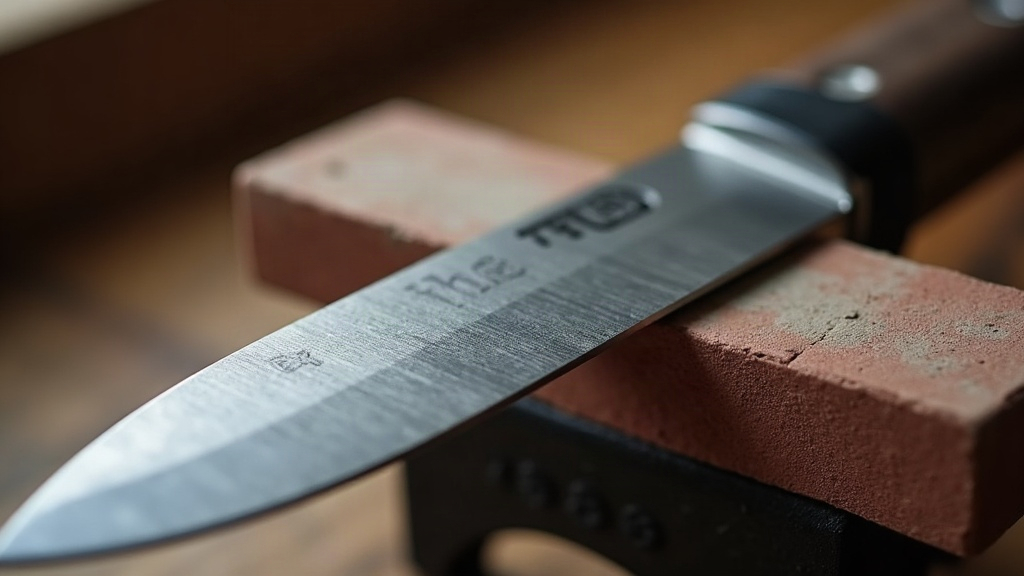
Benefits of Clamp-and-Rod Systems
- Repeatability: The primary advantage of a guided system is the ability to replicate the same angle consistently. This is essential for maintaining the knife’s edge.
- Reduced Human Error: The clamp secures the knife, minimizing the impact of hand tremor, which can lead to uneven sharpening.
- Versatility: Many guided systems come with interchangeable rods and stones, allowing for different grits and materials to be used, catering to various types of knives and sharpening needs.
Eliminating Hand Tremor and Ensuring Even Apex Bevels
The Role of Biomechanics in Sharpening
Hand tremor can significantly impact the sharpening process, especially for those with less experience. Guided knife sharpening systems mitigate this by providing a stable base. The use of ergonomic designs further enhances control and comfort during the sharpening process.
Biomechanical Considerations:
- Grip Design: Systems with contoured grips reduce fatigue and allow for a more stable hand position.
- Angle Guides: Integrated angle guides help users maintain the correct sharpening angle without needing to rely solely on muscle memory.
Apex Bevel Consistency
Achieving a uniform apex bevel is crucial for optimal cutting performance. A consistent bevel ensures that the knife slices smoothly without dragging or catching. Guided sharpening systems excel in this area by maintaining the bevel angle throughout the sharpening process.
Technical Parameters and Recommendations
When selecting a guided knife sharpening system, consider the following parameters:
| Parameter | Benchmarks | Recommendations |
|---|---|---|
| Angle Range | 10° to 30° | Systems like the Edge Pro Apex 4 offer versatile angles. |
| Material Quality | Aluminum, stainless steel, ceramic | Look for systems with high-grade materials for durability. |
| Ease of Use | Learning curve and setup time | The Work Sharp Guided Field Sharpener is user-friendly. |
| Portability | Weight and compactness | The KME Sharpener is highly portable for outdoor use. |
Leading Products in the Market
When considering a guided knife sharpening system, several products stand out based on user feedback and technical evaluations. Systems such as the Edge Pro Apex and the KME Sharpener are frequently recommended for their durability, precision, and user-friendly design.
Interactive Tool Callout
For a personalized assessment of your sharpening needs, we invite you to utilize our Knife Sharpening Calculator to find the ideal angle and sharpening technique for your specific knives.
Frequently Asked Questions
1. How do I determine the right angle for sharpening my knife?
The right angle for sharpening depends on the knife’s intended use. For example, a chef’s knife typically requires a 15° to 20° angle for optimal sharpness, while a pocket knife might benefit from a 20° to 25° angle for durability. Consult the manufacturer’s specifications or use a sharpening guide for precise recommendations.
2. Can I use a guided sharpening system on all types of knives?
Most guided knife sharpening systems are versatile and can handle various knife types, including kitchen knives, pocket knives, and even some outdoor knives. However, specialty blades such as serrated or curved knives may require different sharpening techniques or tools.
3. How often should I sharpen my knives using a guided system?
The frequency of sharpening depends on usage. For home cooks, sharpening every few months may suffice, while professional chefs might sharpen weekly. Regular honing can prolong edge retention, reducing the need for frequent sharpening.
By understanding the intricacies of guided knife sharpening systems, users can enhance their knife maintenance practices, ensuring optimal performance and longevity of their cutting tools.