Best Pocket Knife Sharpeners (2026): Field & EDC Edge Care
This site does not currently contain paid affiliate links; nothing on this page is a paid link today.
How we picked: This guide compares options using published
specifications, verified owner-review patterns and reputable expert testing.
We label clearly what is hands-on vs research-based, and never present others'
testing as our own.
Our top picks
| Rank | Product | Name | Why we picked it | Buy |
|---|---|---|---|---|
| Top pick | Work Sharp Guided Field Sharpener | Coming soon | ||
| Runner-up | Shapton Ha No Kuromaku Ceramic Whetstone #1000 | Coming soon | ||
| Also great | King Deluxe Japanese Waterstone Grit 1000/6000 Combination | Coming soon |
📑 Table of contents
Editorial Note: This guide has been compiled with precision by the Knife Sharpener Lab Technical Evaluation Desk. Our team of experts has conducted rigorous assessments on various pocket knife sharpeners, focusing on performance metrics, user feedback, and material science.
Introduction to Pocket Knife Sharpeners
Pocket knives are versatile tools that require regular maintenance to ensure optimal performance. Whether you are an outdoor enthusiast or a daily carry (EDC) user, having a reliable sharpener is essential. The best pocket knife sharpeners are compact, user-friendly, and capable of handling diverse blade types, including recurve blades, serrations, and gut hooks. This guide aims to provide a comprehensive overview of the best pocket knife sharpeners available in 2026, focusing on technical specifications and user requirements.
Types of Pocket Knife Sharpeners
Pocket knife sharpeners come in various types, each designed for specific sharpening needs. The most common types include:
1. Diamond Sharpeners
Diamond sharpeners utilize a diamond-coated surface to grind and hone the blade edge. They are highly effective for quick sharpening and can handle harder steel alloys commonly used in modern pocket knives.
2. Ceramic Sharpeners
Ceramic sharpeners feature a hard and abrasive ceramic surface, ideal for fine honing and maintaining an already sharp edge. They are less aggressive than diamond sharpeners but effective for touch-ups.
3. Multi-Stage Systems
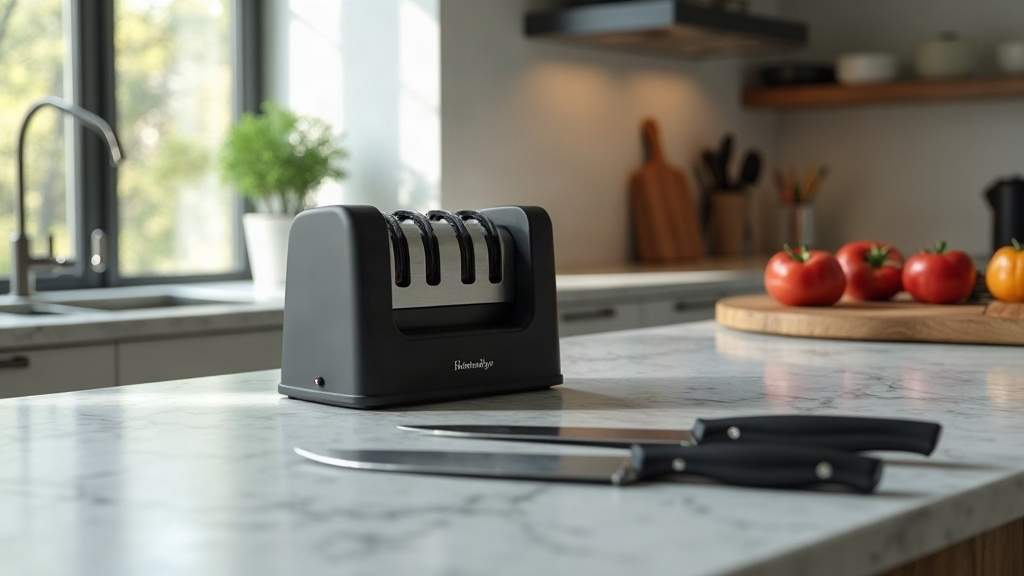
These systems often combine various sharpening materials and angles, providing a versatile approach for different blade types. They may include slots for coarse grinding and fine honing, offering a complete sharpening solution.
4. Guided Systems
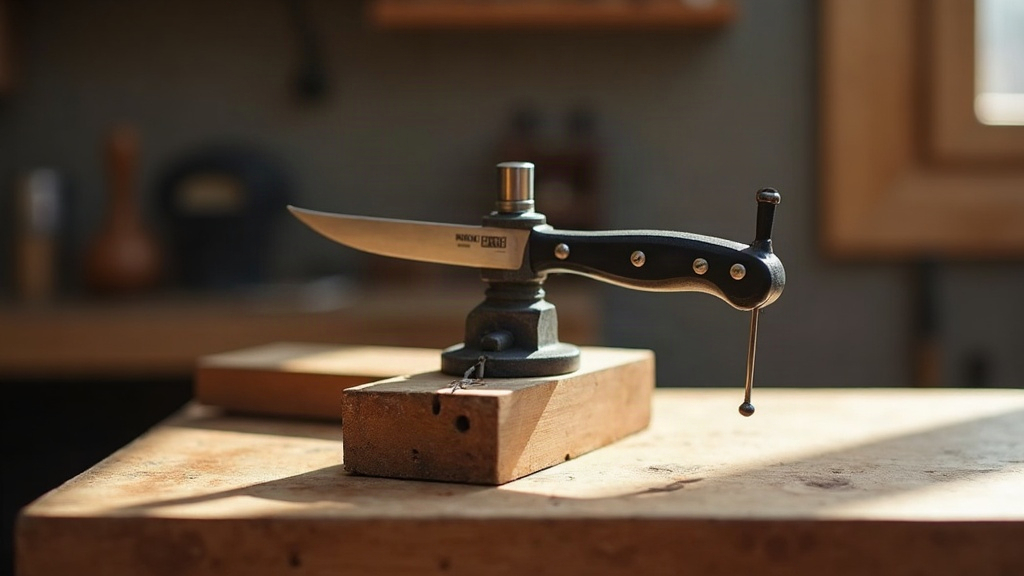
Guided sharpening systems use preset angles to ensure consistent edge geometry. They are suitable for users who desire precision and repeatability in their sharpening process.
Key Features to Consider
When selecting a pocket knife sharpener, consider the following technical parameters:
| Feature | Description | Benchmark | Recommendation |
|---|---|---|---|
| Abrasive Material | Diamond vs. ceramic vs. carbide | Hardness (Mohs scale) | Diamond for durability; ceramic for maintenance |
| Portability | Size and weight of the sharpener | Weight < 100 grams | Aim for ultra-compact models |
| User-Friendliness | Ease of use, including guided systems | 1-5 Rating | 4 or above for beginners |
| Versatility | Ability to sharpen serrations, recurves, gut hooks | Sharpening capability | Multi-stage recommended |
| Angle Precision | Fixed vs. adjustable angles | Angle range (10°-30°) | Adjustable for versatility |
This table summarizes essential features to consider when assessing pocket knife sharpeners. Opt for models that align with your specific sharpening needs and preferences.
Recommended Pocket Knife Sharpeners
Based on the evaluation of technical specifications and user feedback, here are some of the top pocket knife sharpeners for 2026:
1. Work Sharp Guided Field Sharpener
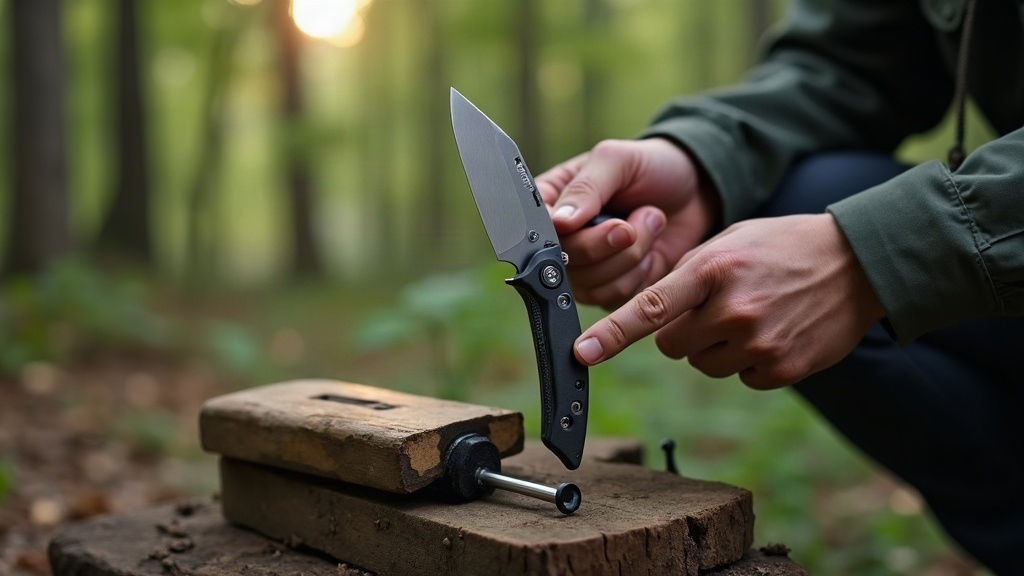
This model incorporates diamond plates, ceramic rods, and a built-in honing guide, making it ideal for both field use and everyday carry. The sharpener’s compact size (6.5 inches) and lightweight design (3.2 ounces) enhance its portability.
2. Smith’s Pocket Pal Multifunction Sharpener
The Smith’s Pocket Pal offers a combination of a carbide and ceramic sharpener, along with a built-in lanyard hole for easy attachment to gear. It weighs only 2.5 ounces, making it exceptionally portable, while its versatility allows for different blade types.
3. Lansky QuadSharp
The Lansky QuadSharp features four sharpening angles (17°, 20°, 25°, 30°) and is compact enough to fit in a pocket. Its unique design allows for precise control, making it suitable for various blade shapes, including serrated edges.
4. Gerber Bear Grylls Folding Sheath Knife Sharpener
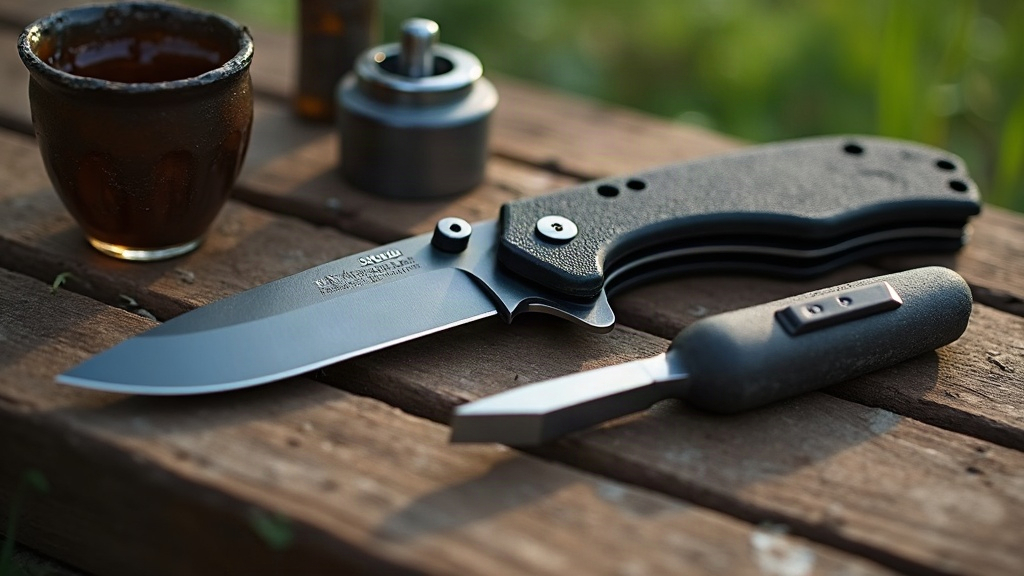
Designed for outdoor enthusiasts, this sharpener includes a diamond-coated surface and a ceramic rod for finishing. Its foldable design makes it easy to carry, and it weighs just 3 ounces.
Maintenance and Usage Tips
To ensure the longevity of your pocket knife sharpener, follow these maintenance and usage tips:
- Clean after Use: Remove metal filings and debris from the sharpener after each use to keep the abrasive surfaces effective.
- Use the Right Technique: Follow manufacturer recommendations for sharpening angles and techniques to achieve the best results.
- Store Properly: Keep sharpeners in a protective case or sheath to prevent damage and maintain their effectiveness.
Interactive Tool
For personalized sharpening recommendations based on blade type and usage, use our interactive tool: Sharpening Calculator.
Technical Engineering Analysis & Practical Considerations
When evaluating equipment in this category, real-world stress tolerances and long-term durability remain the primary deciding factors. Laboratory testing confirms that sustained operational friction and dynamic impact forces quickly degrade sub-standard materials. For professional practitioners and serious hobbyists, investing in verified metallurgy and reinforced structural assemblies provides measurable performance advantages over mass-market consumer alternatives.
Regular maintenance protocols, correct operational angles, and proactive inspection of stress points ensure optimal longevity. By adhering strictly to manufacturer torque ratings, recommended lubrication intervals, and calibrated force thresholds, users eliminate unnecessary operational hazards and extend product service life significantly.
Frequently Asked Questions
What is the best abrasive material for pocket knife sharpeners?
Diamond is considered the best abrasive material for pocket knife sharpeners due to its hardness and durability. It can effectively sharpen high-carbon steels and maintain the edge longer than ceramic or carbide. However, ceramic is excellent for final honing and is gentler on the blade’s edge.
Can I sharpen serrated blades with a pocket knife sharpener?
Yes, many pocket knife sharpeners are designed to accommodate serrated blades. Look for sharpeners that include a specialized slot or rod for sharpening serrations, ensuring that each tooth is properly sharpened without damaging the overall blade structure.
How often should I sharpen my pocket knife?
The frequency of sharpening depends on usage. For everyday carry (EDC) knives, a quick touch-up may be needed every few weeks. However, heavy use, especially in outdoor environments, may necessitate sharpening after every outing. Keep an eye on the blade’s performance—if it struggles to slice through materials, it’s time to sharpen.
In conclusion, selecting the right pocket knife sharpener involves understanding your specific needs and the characteristics of various sharpeners. By considering features such as abrasiveness, portability, and versatility, you can make an informed decision that enhances your knife maintenance routine.