Best Knife Sharpeners for Serrated Bread Knives (2026)
This site does not currently contain paid affiliate links; nothing on this page is a paid link today.
How we picked: This guide compares options using published
specifications, verified owner-review patterns and reputable expert testing.
We label clearly what is hands-on vs research-based, and never present others'
testing as our own.
Our top picks
| Rank | Product | Name | Why we picked it | Buy |
|---|---|---|---|---|
| Top pick | Work Sharp Guided Field Sharpener | Coming soon | ||
| Runner-up | Shapton Ha No Kuromaku Ceramic Whetstone #1000 | Coming soon | ||
| Also great | King Deluxe Japanese Waterstone Grit 1000/6000 Combination | Coming soon |
📑 Table of contents
Editorial Note: This guide has been reviewed by the Knife Sharpener Lab Technical Evaluation Desk, ensuring that the information presented is accurate, reliable, and based on the latest advancements in knife sharpening technology.
Understanding Serrated Bread Knives and Their Unique Sharpening Needs
Serrated bread knives are designed with individual scalloped edges, allowing them to slice through crusty bread and delicate pastries without crushing them. The unique geometry of these knives poses distinct challenges when it comes to sharpening. Unlike straight-edged knives, which can be honed with a variety of tools, serrated knives require specialized equipment to maintain the integrity of the serrations.
The Importance of Material Composition
Serrated knife blades are typically made from high-carbon stainless steel, which combines hardness with corrosion resistance. The hardness of the steel affects how well the blade retains its edge, while the corrosion resistance is critical for kitchen environments. Understanding the metallurgical properties of the knife steel helps in selecting the right sharpener.
For example, high-carbon steel offers significant edge retention but can be more challenging to sharpen. Conversely, softer stainless steels are easier to sharpen but may dull more quickly. The choice of sharpening tool should align with the knife’s steel type to optimize sharpening results.
Recommended Technologies for Sharpening Serrated Bread Knives
Tapered Ceramic Rods
Tapered ceramic rods are one of the most effective tools for sharpening serrated knives. The tapered design allows the user to fit the rod into the grooves of the serrations, effectively sharpening each scallop individually. Ceramic rods are known for their durability and ability to hold a fine edge.
Technical Specifications:
- Material: Aluminous zirconia ceramic
- Grit Rating: 1000-1200 (fine)
- Usability: Manual, requires technique to align with serration points
Diamond Needle Files
Diamond needle files are another excellent option for sharpening serrated bread knives. These files are coated with diamond particles, making them incredibly hard and effective for honing the edges of serrated knives. Their slim profile allows them to reach deep into the serrations, ensuring a precise sharpening job.
Technical Specifications:
- Material: Steel with diamond abrasive coating
- Grit Rating: 600-1000 (medium to fine)
- Usability: Manual, offers precision control
Sharpening Machines
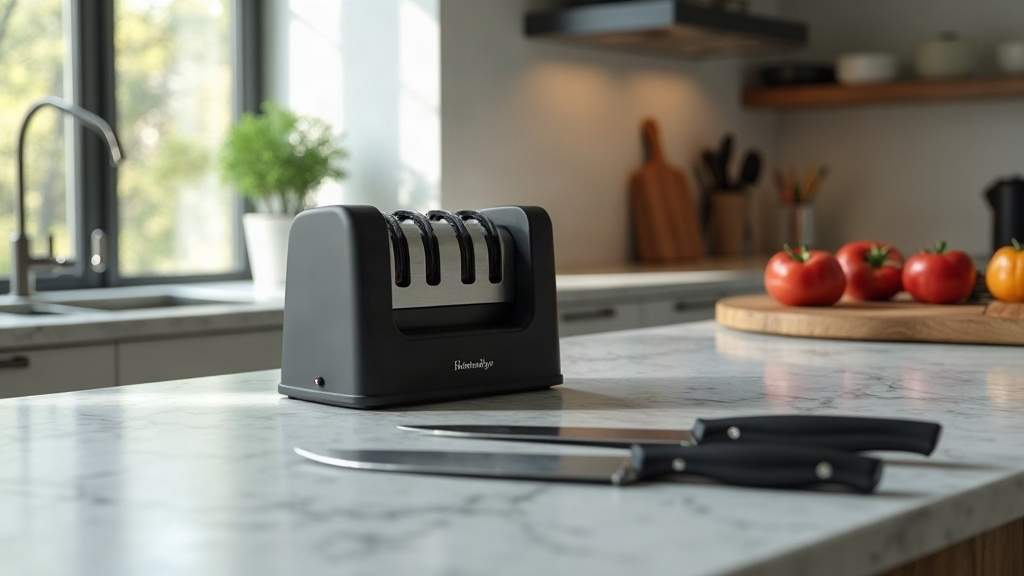
Electric sharpeners designed specifically for serrated knives are available on the market. These machines often feature specialized slots that accommodate serrated blades, providing a consistent edge without the need for manual labor. However, care must be taken when using these devices, as they can remove more material than necessary if misused.
Technical Specifications:
- Motor Power: 120-180 watts
- Sharpening Slots: 2-3 dedicated for serrated edges
- Usability: Automatic, offers convenience but less control
Comparison of Top Knife Sharpeners for Serrated Bread Knives
The following table provides a comparative overview of the leading sharpening tools for serrated bread knives, including their technical parameters and benchmarks to assist in the selection process.
| Sharpening Tool | Material | Grit Rating | Usability Type | Key Features |
|---|---|---|---|---|
| Tapered Ceramic Rod | Zirconia Ceramic | 1000-1200 | Manual | Durable, fine edge retention |
| Diamond Needle File | Diamond Coated Steel | 600-1000 | Manual | Precision control, effective for deep serrations |
| Electric Serrated Sharpener | Various | Varies | Automatic | Quick, consistent results, but less control |
Selecting the Right Sharpener for Your Needs
When selecting a sharpener for serrated knives, consider the following factors:
- Frequency of Use: For those who frequently prepare bread, investing in a high-quality sharpener is advisable. Tapered rods and diamond files are excellent choices for home chefs.
- Skill Level: Beginners may prefer electric sharpeners for their ease of use, while more experienced users may benefit from the precision offered by manual tools.
- Knife Quality: Higher-end knives may require more care during sharpening. Therefore, choosing a tool that offers control is critical.
Interactive Tool for Knife Sharpening
If you’re unsure about which sharpener is best for your specific knife style and usage, try our Knife Sharpening Calculator to find the best match for your sharpening needs.
Frequently Asked Questions
1. How often should I sharpen my serrated bread knife?
Serrated knives do not need sharpening as frequently as straight-edged knives. Generally, you should sharpen them every 6 months to a year, depending on usage. Inspect the scallops regularly for dullness, and only sharpen when necessary to avoid excessive material removal.
2. Can I use a regular knife sharpener for serrated knives?
Using a regular knife sharpener on serrated knives is not recommended. Standard sharpeners do not accommodate the unique shape of serrations and may damage the blade. Specialized sharpeners like tapered ceramic rods or diamond files are designed to fit the scallops and sharpen effectively.
3. What is the best technique for using a tapered ceramic rod?
To effectively use a tapered ceramic rod, hold the knife firmly and insert the tapered end into a serration. Gently pull the rod through the serration, maintaining a consistent angle. Repeat this for each scallop, ensuring that you do not apply excessive pressure, which could lead to uneven sharpening or blade damage.
By understanding the specific needs of serrated bread knives and employing the right sharpening techniques, you can maintain the performance and longevity of these essential kitchen tools.